Watershed Stewardship & School Garden Sustainability Project
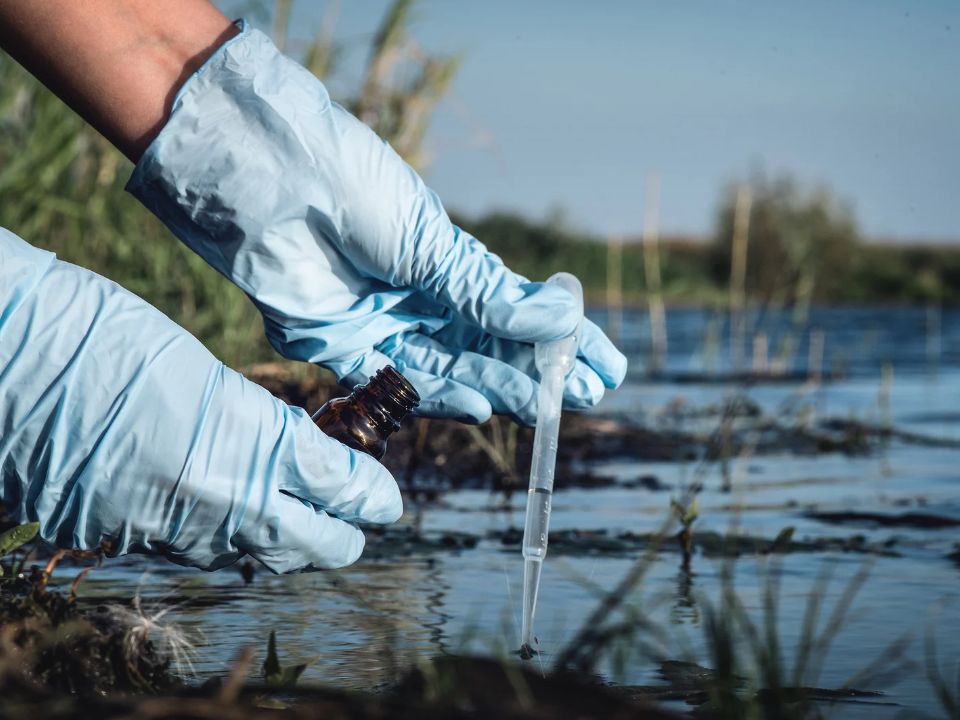
103 South Carolina students linked watershed protection to school gardening and cafeteria composting.
Teachers and students used TCI resources, took action in their community, and shared their projects with us! Take a look at their stories and find climate action near you.
103 South Carolina students linked watershed protection to school gardening and cafeteria composting.
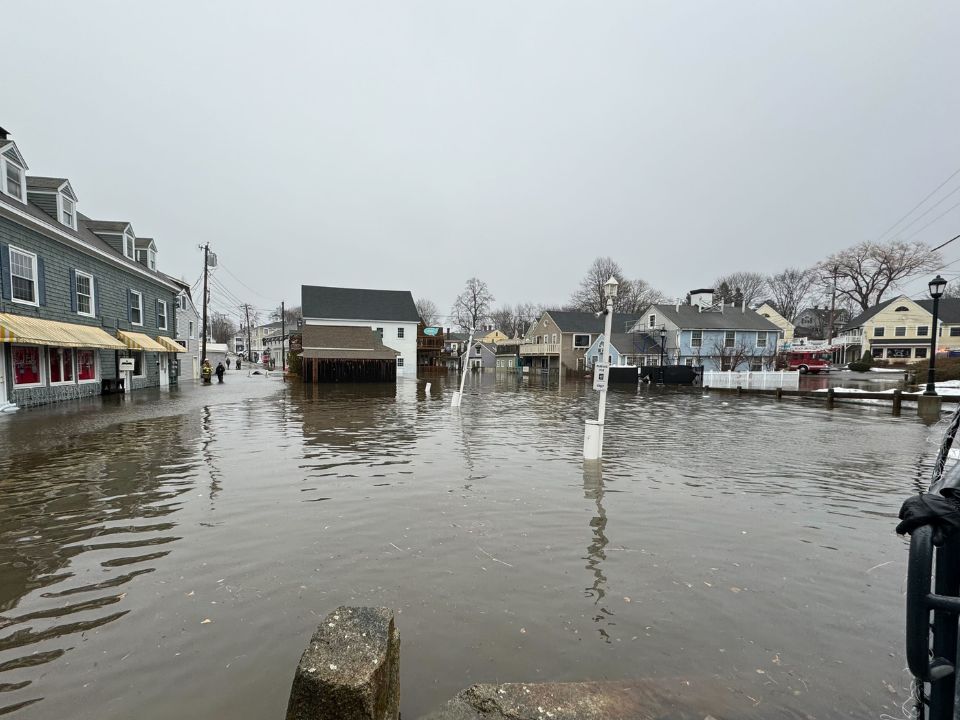
After the 2024 Maine storms, Kennebunkport students partnered with town officials on sea level rise planning — one even joined a public expert panel alongside a state legislator, prompting the town’s Climate Action Team to now consider adding youth to its committee.
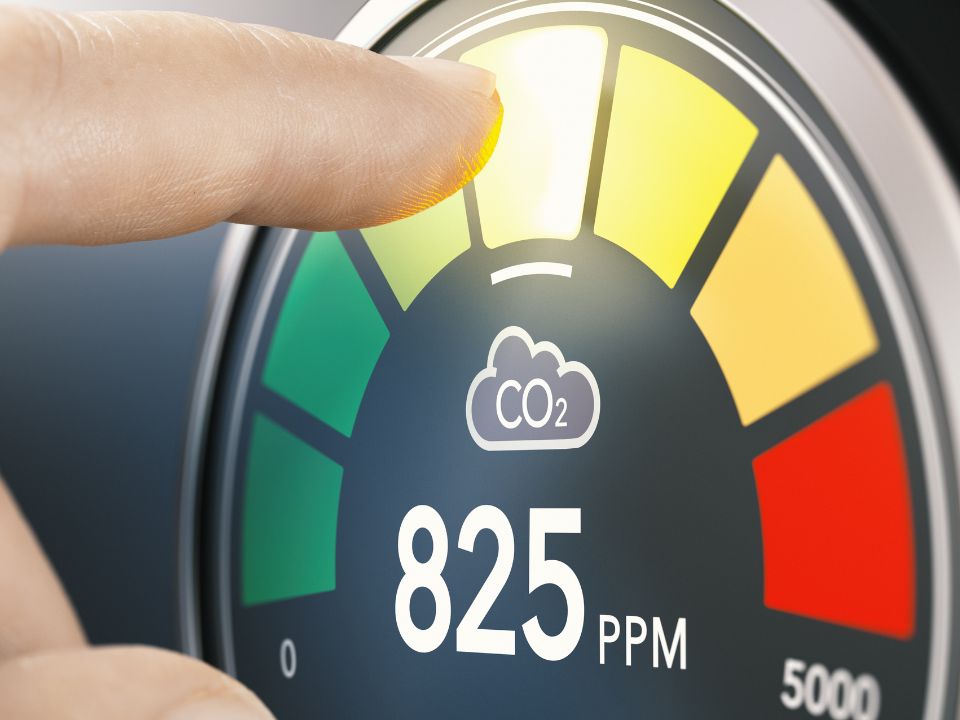
A public health class analyzed real air quality data across Detroit, Dearborn, and Lansing and proposed interventions for the communities most affected.
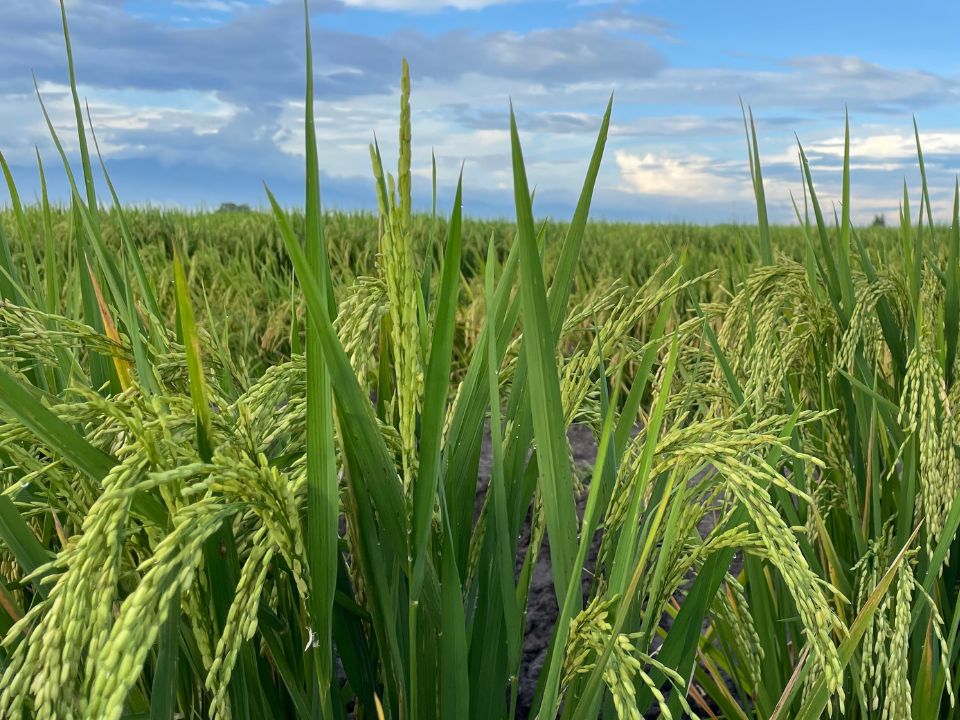
Julie’s Data, Drone and Dirt class researched the history and economics of regenerative farming, producing an original video and Canva presentations shared with the Blue Earth community.
90 Marin County students became fire ecologists for six weeks, then pitched action plans on a day of service.
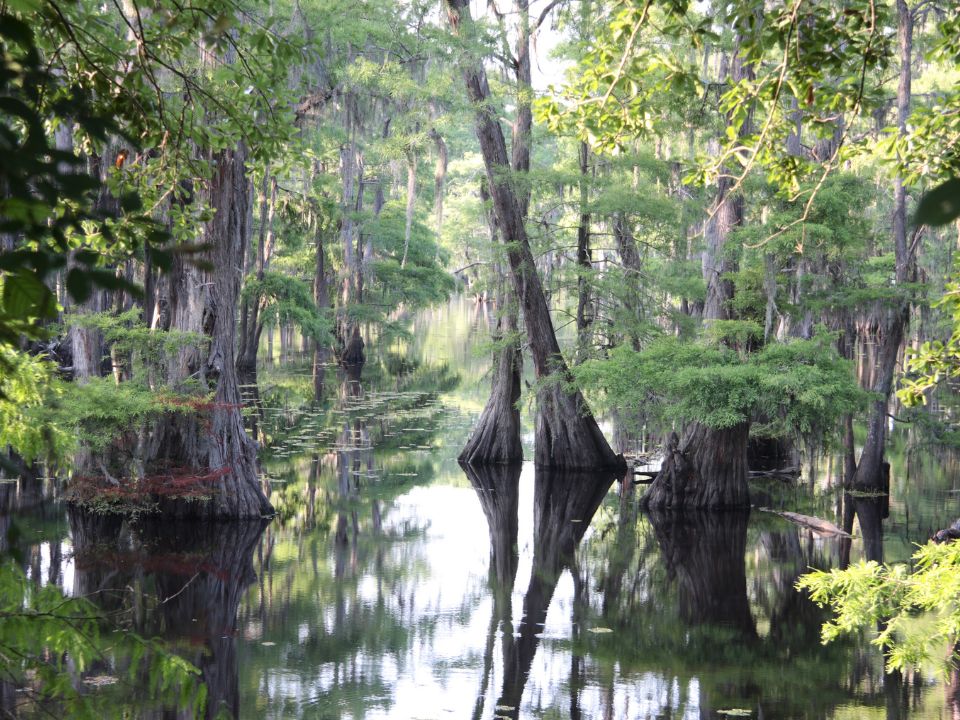
A Louisiana conservation team runs cleanups and water festivals that send climate lessons straight home with kids.
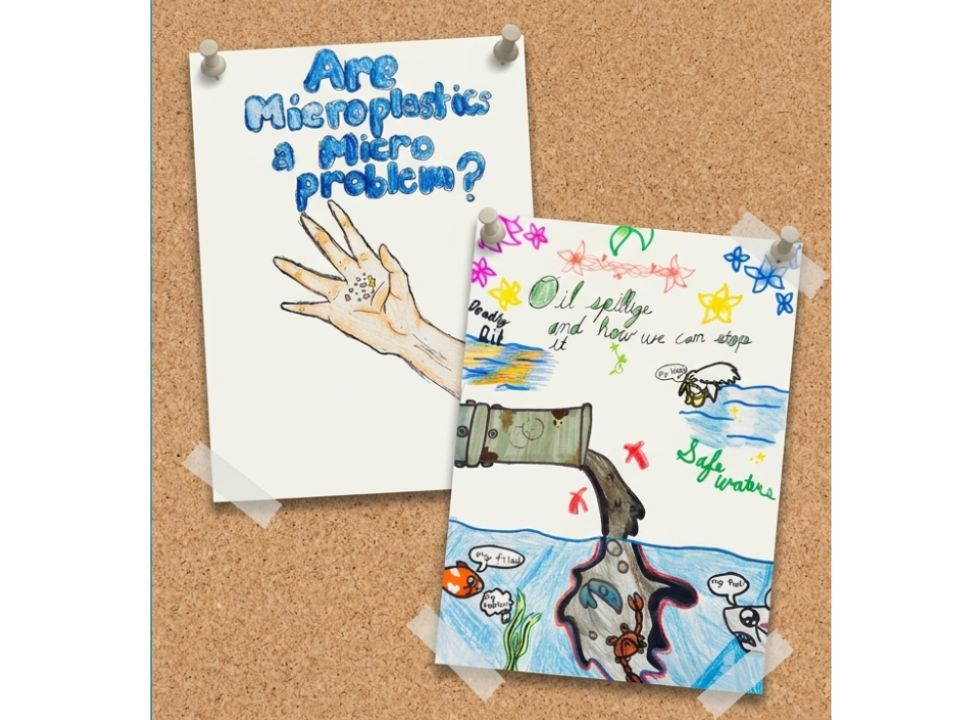
150 sixth graders each tackled a climate issue, then took their research posters to the stage.
A year of climate debates and modeling at Phoenix Modern ended in a runway show judged on planetary cost.
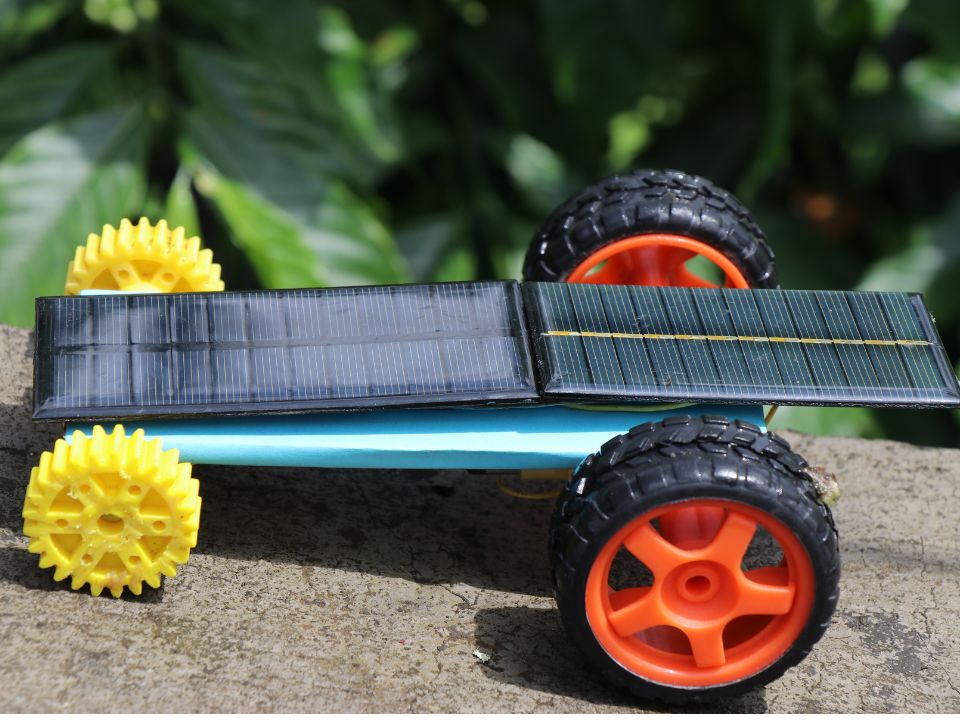
South Dakota students built solar cars and wind turbine blades, learning engineering the hard, hands-on way.
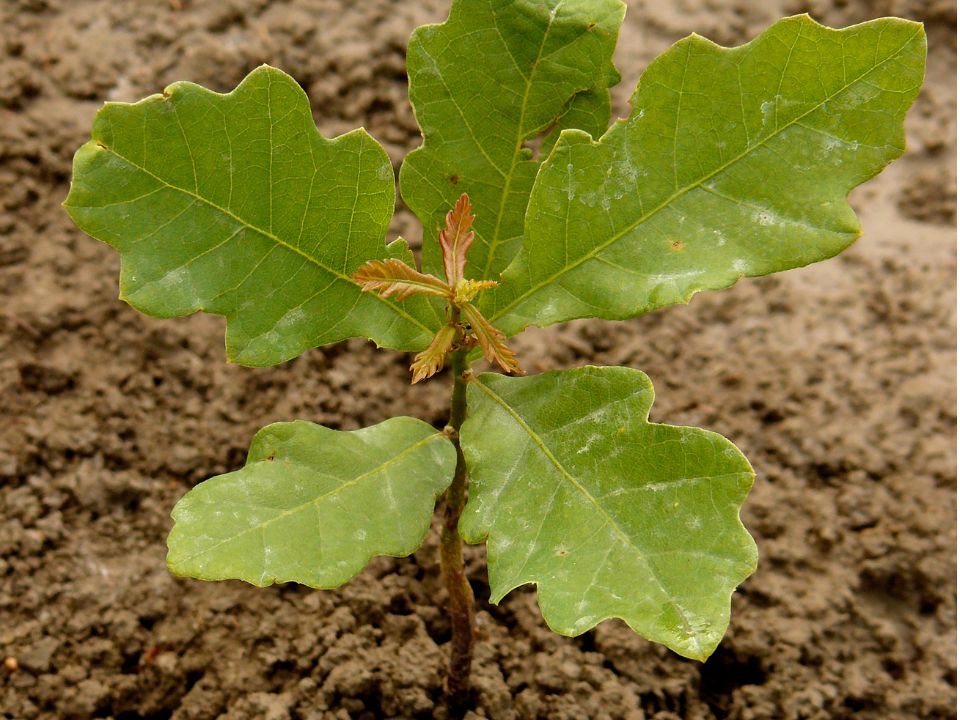
A derailed forest project turned into something bigger: every student went home with an oak sapling on Earth Day.
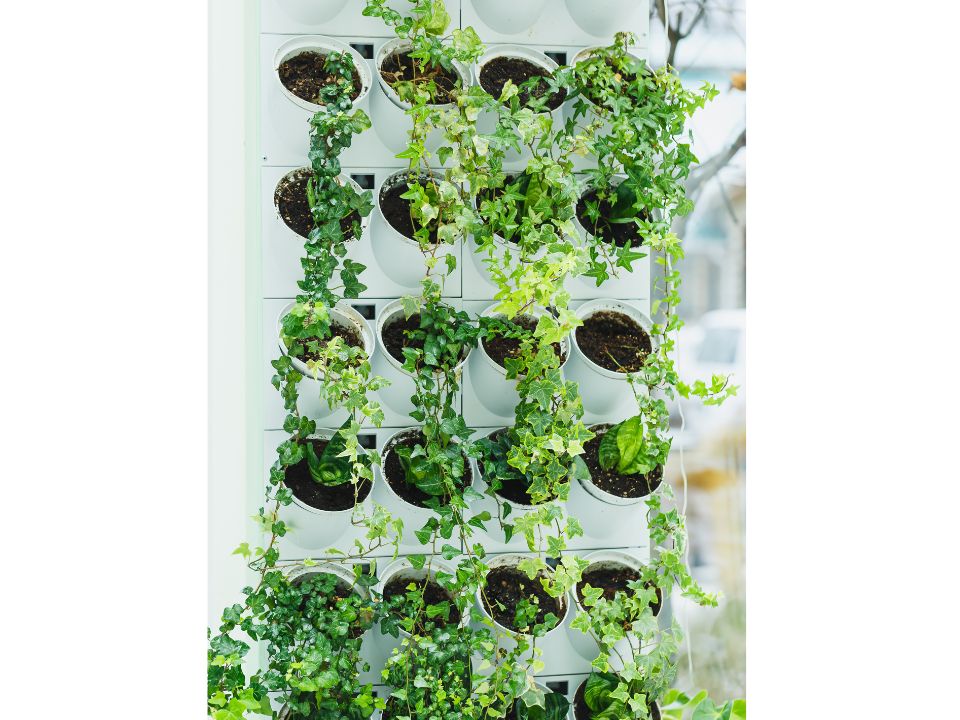
Garden City’s Green Club built vertical gardens and pollinator beds while boosting school-wide recycling.
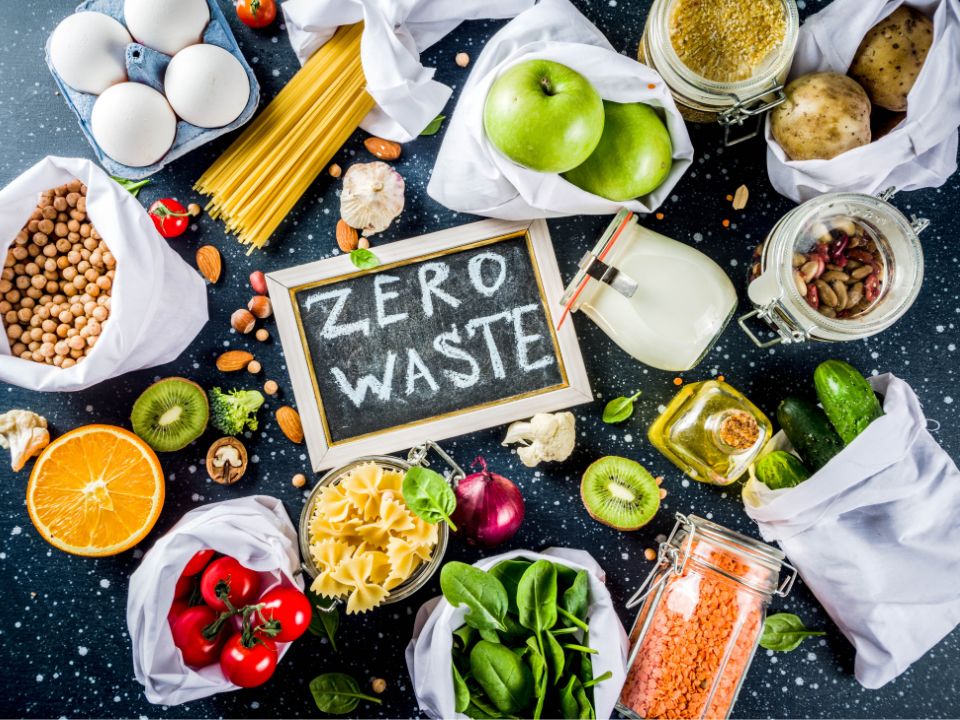
325 students partnered with their dining hall to launch composting and a zero-waste campus culture.
500 TK-5 students engineered solutions to waste and energy challenges for a schoolwide climate expo.
12 homeschoolers ages 4-18 explored air, water, and blight through a cleanup built around accessible learning.
11 teen interns planted 112 native trees across Frederick, MD, building toward 40% city tree canopy by 2030.