
Campus Composting and Zero-Waste Culture at The Frederick Gunn School
Project Summary
325 students at The Frederick Gunn School partnered with their Dining Hall to launch a campus-wide composting program, reduce food waste, and build a student-driven culture of sustainability through the school’s Green Club, reusable mug initiatives, and a Pop-Up Thrift Store.
Detailed Story
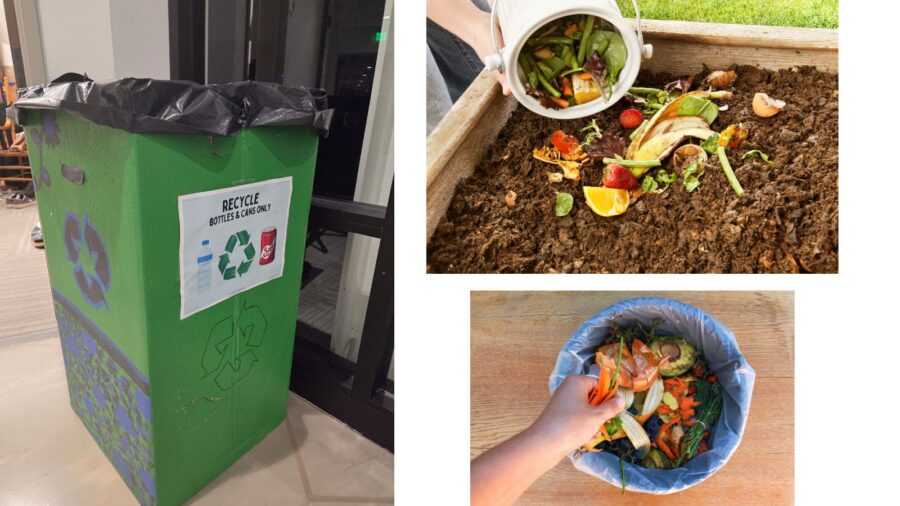
Kent and the students of The Frederick Gunn School in Washington, Connecticut tackled food waste and campus sustainability by embedding composting directly into daily school life. Working in partnership with the Dining Hall, the program was designed to be as accessible and student-driven as possible, raising awareness about food waste, encouraging students to take only what they need and go back for seconds rather than over-serving, and challenging the whole community to be more conscious about what they throw away. The momentum didn’t stop at the dining hall. The school’s Green Club has been energized by the project and is developing house and grade-level challenges, along with weekly and monthly competitions to reduce waste. Students are also pushing to replace disposable paper cups with reusable mugs for hot drinks. Perhaps most creatively, the school launched a Pop-Up Thrift Store on campus where students can find clothes, books, shoes, and other items — extending the project’s reach from food waste into a broader conversation about consumption and reuse. Kent sees this as just the beginning, with plans to make the thrift store even more impactful in the year ahead.
Impact Statement
325 students adopted composting and waste-reduction habits as part of daily campus life, with a student-led Green Club now driving ongoing challenges, reusable mug adoption, and a Pop-Up Thrift Store that extends climate action from the cafeteria into broader conversations about consumption.