From Debate to Runway: A Full-Year Climate Literacy Journey at Phoenix Modern
Project Summary
Students at Phoenix Modern in Arizona spent the year exploring climate science, resource use, and sustainability through a remarkable range of projects — energy debates, argumentative essays, an Earth Time Machine, atmospheric modeling, and a culminating sustainability fashion show where parents bid on student-designed outfits rated by both financial cost and planetary cost.
Detailed Story
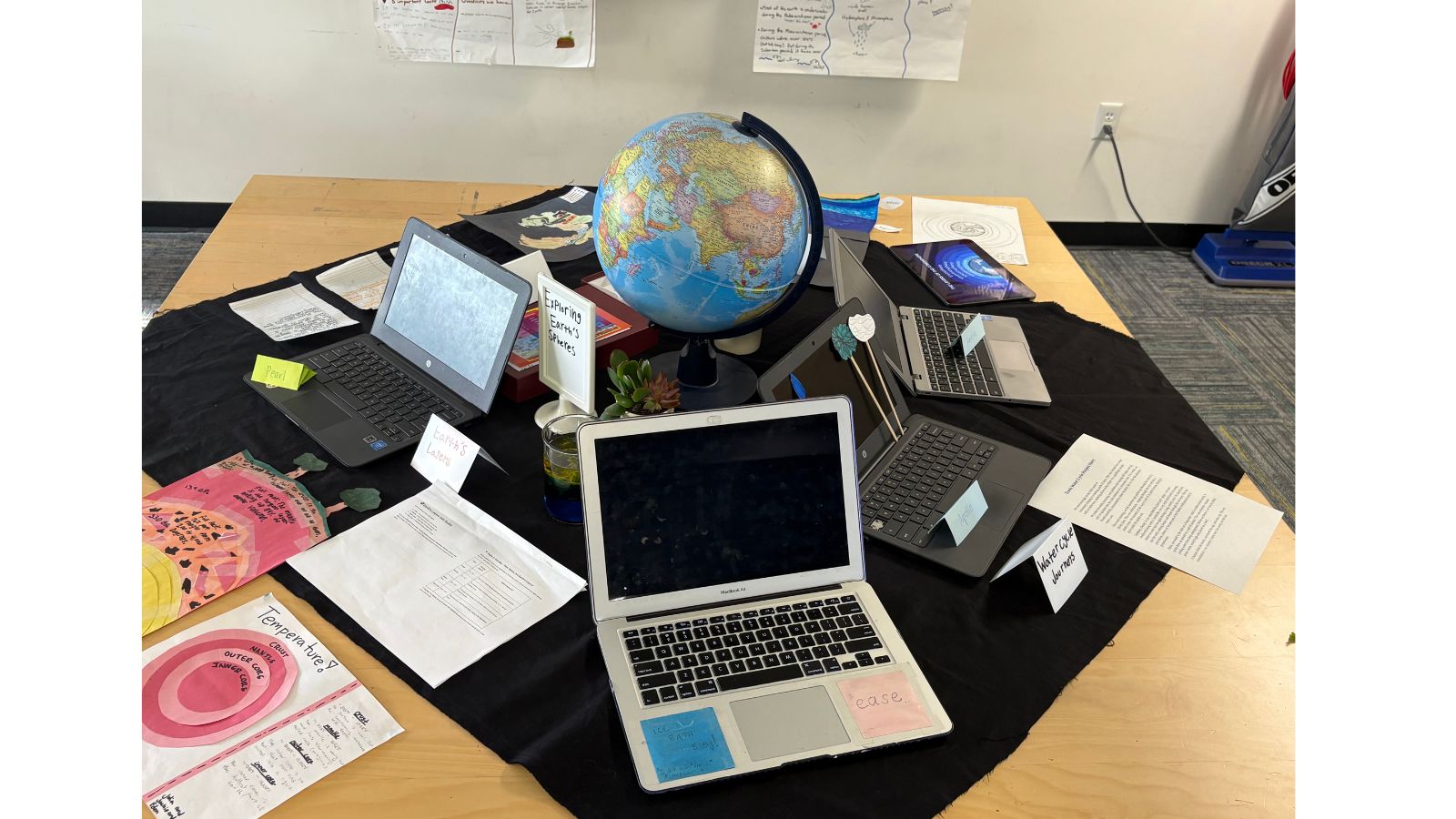
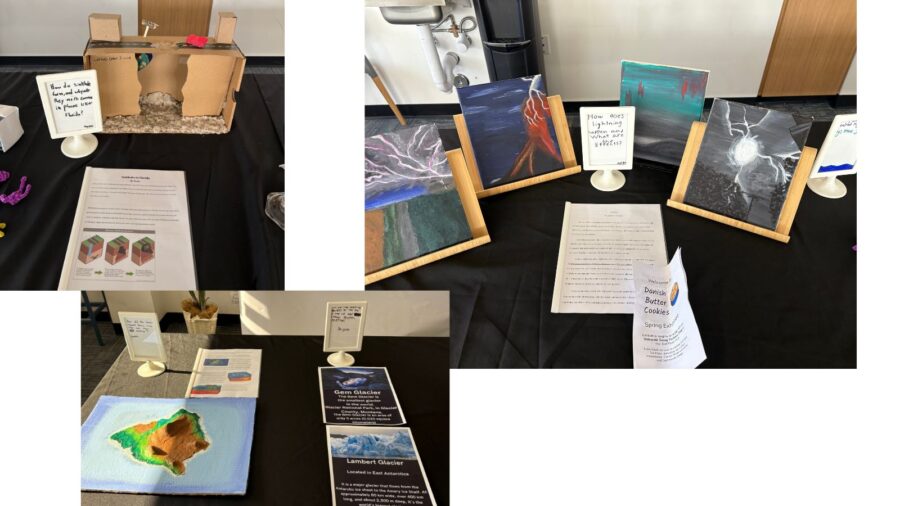
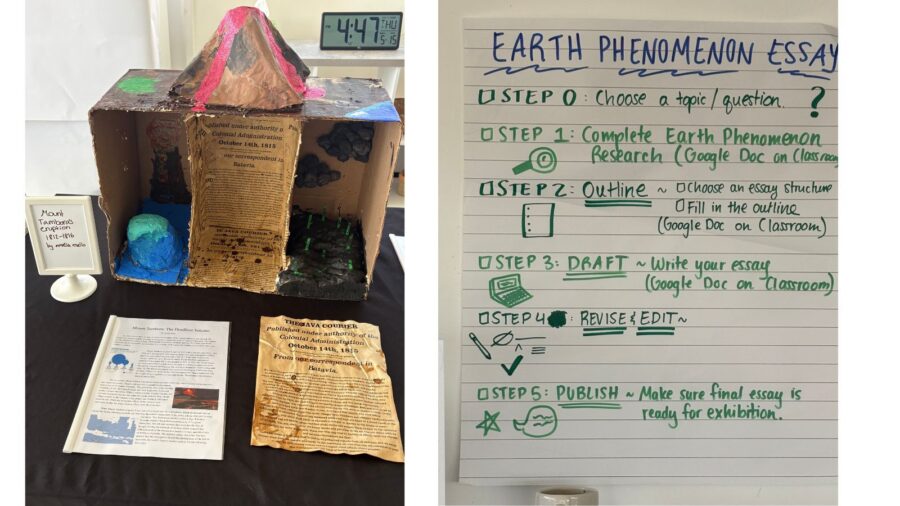
Nikol’s 30 students at Phoenix Modern in Phoenix, Arizona undertook one of the most expansive and interdisciplinary action projects in TCI’s collection. Working within a studio learning model, students moved through a full arc of climate inquiry across multiple subject areas. They began by researching different energy resources and then staging a formal debate, with other staff from the building invited in as judges awarding points to competing teams. Following the debate, students wrote argumentative essays making the case for which energy resource they believed would be least damaging, most accessible, and most sustainable for the planet. From there, students shifted to Earth science, researching different Earth phenomena and writing informational essays. An Earth Time Machine project asked them to travel through time to examine how humans have used resources across history and how that usage has transformed the planet. A math integration project had students plotting data on graphs showing how different resources have changed over time. Students also studied Earth’s layers, the sustainability implications of how deeply we draw resources from them, completed a water cycle mini-project, and built models of atmospheric layers. The capstone was a sustainability fashion show. Each student was given a budget and tasked with selecting an outfit, using curriculum resources to calculate the resource cost of their chosen fabrics – what Nikol framed as the “cost to the planet.” Students published both the financial cost and the planetary cost of each outfit. Then, in front of family and community members, every student walked the runway while parents bid on their favorite looks. At the end, the class calculated the total planetary cost and total financial cost that would result if everyone had actually purchased what they bid on- a powerful and tangible way to make abstract resource data real.
Impact Statement
30 students developed climate literacy across science, civics, math, and language arts; engaged in structured debate on energy policy; and participated in a community-facing sustainability fashion show that made the real-world costs of consumer choices visible and tangible to families. The project demonstrated how climate education can be woven across an entire curriculum rather than siloed in a single subject.