
Fund the future
of climate action.
Why TCI
Your donations make a world of difference.
Our mission of empowering youth voices for climate action is made possible by the generosity of people wanting to see a more sustainable world for generations to come. Learn about the impact of your donation, no matter its size, in the video below.
Our Impact
In just over five years, The Climate Initiative has reached more than 700,000 young people across all 50 states and 50+ countries — equipping them with the knowledge, tools, and confidence to strengthen their communities and drive real climate action. Through nonpartisan educational programming and hands-on advocacy training, we’re building a generation of climate leaders who know how to turn urgency into impact.
50 million
youth reached with non-partisan climate messaging
2 million
youth engaged in TCI content
710,000+
students in 56 different countries educated with Learning Lab
30,000+
students have taken local climate action
7,000+
Educators utilizing Learning Lab modules
5,500+
Ambassadors focused on climate action
Creating Climate Resilient Communities
Hear directly from the educators and youth that
TCI programming and resources have inspired.
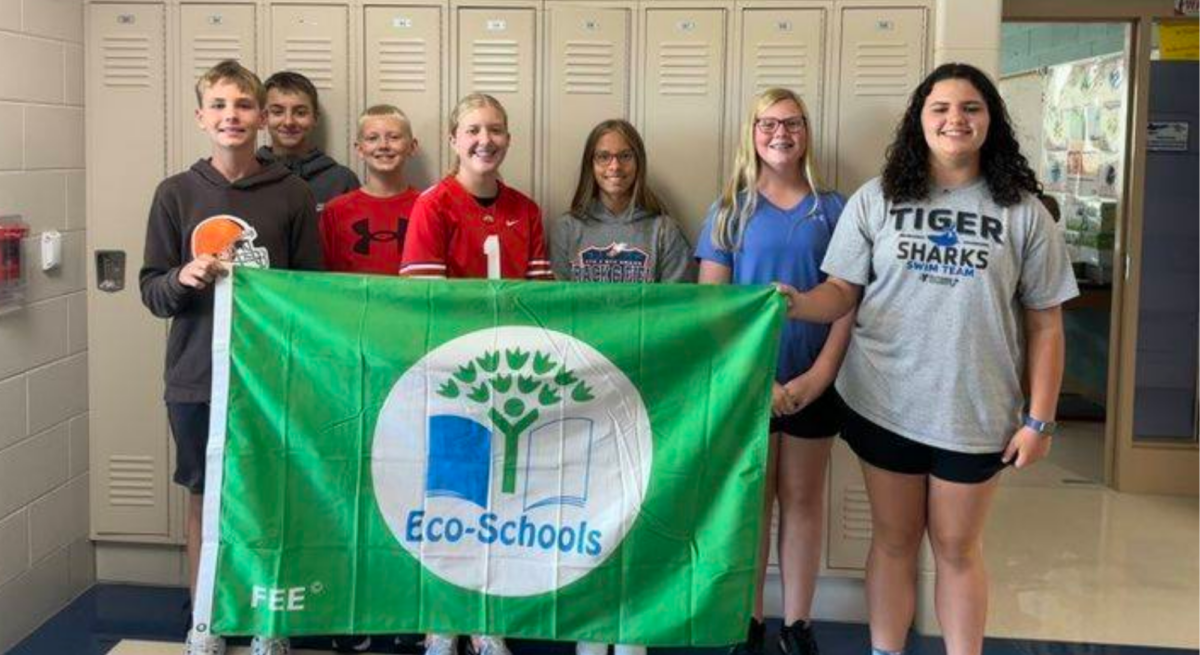
Students in Columbus Grove, Ohio started an environmental action team that saved over 200 pounds of paper from landfills in just two weeks! The Ecolizers Club transformed their school after using TCI’s Civics Climate Action Learning Lab. In just two weeks, their student-led paper recycling initiative saved over 200 pounds of paper from landfills. The team is now working toward National Wildlife Federation Green School Certification, proving that young leaders can drive meaningful environmental change.
Youth Environmental Leadership in Ohio
Chris B, Science Teacher - Columbus Grove, OH
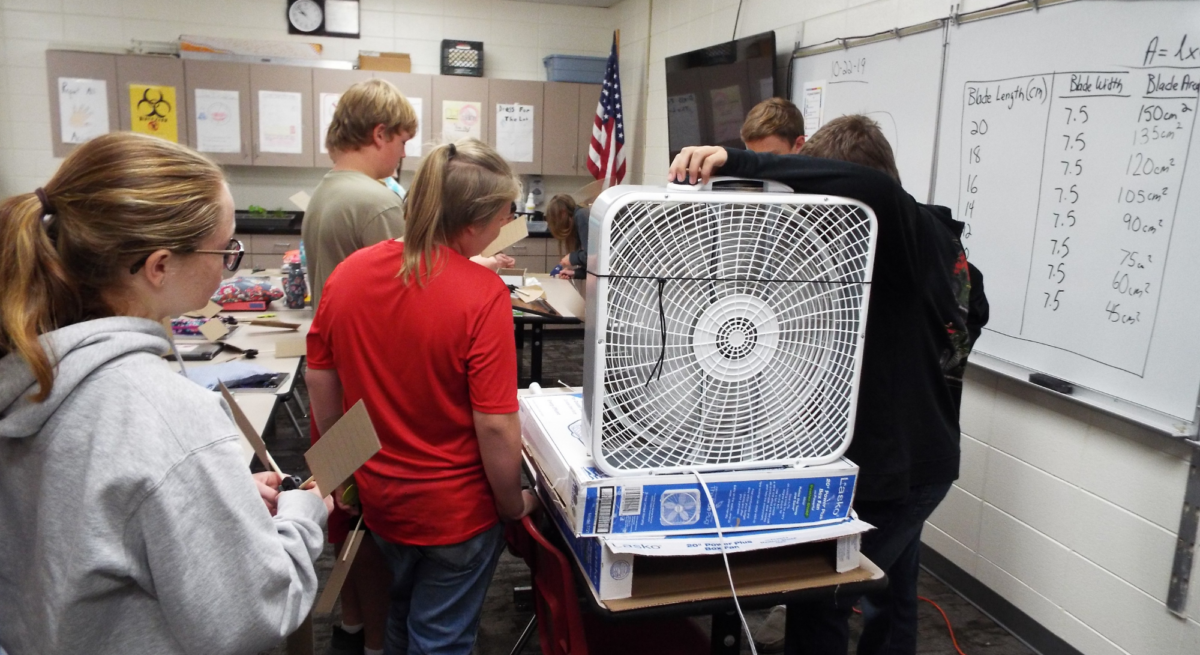
Students at Chester Area School designed and tested wind turbine blades using different recycled materials to learn about renewable energy and maximize electrical output.
This hands-on engineering project engaged students in exploring wind power technology by designing and building their own wind turbine blades using recycled materials. Students tested three different materials: cardboard, balsa wood, and styrofoam, to determine which performed best for generating electricity. The project incorporated elements of scientific inquiry, as students experimented with different blade shapes, angles, and designs to maximize electrical output measured in volts. The competitive aspect of the project further increased engagement, with students eager to see whose design could generate the most power. One student, Krayton, observed, “I had the best angle, which made my blades turn faster!” This insight highlighted the importance of both blade shape and angle in optimizing performance. Throughout the project, students collected and analyzed data on their designs, which was recorded in spreadsheets for further analysis. The classroom setup included box fans to create consistent wind conditions and voltage meters to measure the electrical output of each design, allowing for fair comparisons between different prototypes.
Wind Turbine Blade Engineering with Recycled Materials
Mike O, Science & Social Studies Teacher - Chester, SD
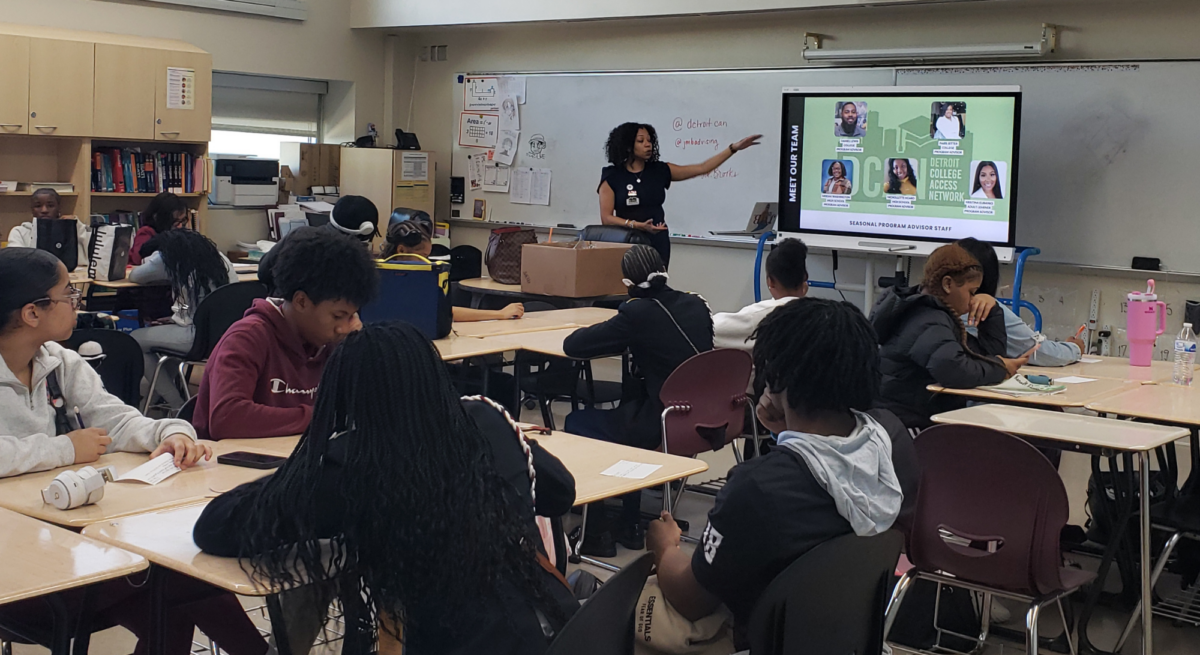
Algebra students at Renaissance High School applied mathematical concepts to examine climate justice issues related to clean water access and flooding in urban Detroit communities, with particular focus on impacts to marginalized neighborhoods.
Algebra 1 and 2 students at Renaissance High School integrated mathematics with environmental justice by applying data analysis, exponential functions, and quadratic functions to investigate clean water access and flooding concerns in Metro Detroit. Located in an area surrounded by several bodies of water including the Detroit River, students learned to critically examine how climate impacts disproportionately affect marginalized communities through a combination of mathematical analysis and climate justice education. The project began with students analyzing a 2025 article from Planet Detroit entitled “Michigan Climate Action Plans Must Better Address Marginalized Communities: Study,” which highlighted research from Michigan State University demonstrating the need for climate action plans to incorporate voices from underprivileged Detroit communities and address racial and economic inequalities. Working in pairs, students transferred their algebraic skills to real-world applications while developing as global citizens and critical thinkers. They used digital tools like Desmos.com for graphical analysis and climate simulators to visualize data patterns and potential solutions. The project extended beyond the classroom when students partnered with the school’s Green Club to participate in an Earth Day 2025 campus cleanup, connecting mathematical concepts with tangible environmental action. For their final assessments, students conducted research, created data visualizations, and delivered oral presentations that proposed practical solutions to local flooding issues, including a community warning alert system for residents in vulnerable neighborhoods. The project helped students recognize the connections between climate justice, racial equity, and mathematical literacy, while also addressing challenges in accessing primary data sources and conducting community interviews. Perhaps most significantly, students developed community education scripts to engage fellow citizens about Detroit’s climate impacts on Black, Indigenous, and People of Color (BIPOC) communities and urban farms/gardens, transforming abstract mathematical concepts into tools for social and environmental advocacy.
Integrating Climate Justice with Mathematics: Detroit Urban Water Project
Dr. Connie M, Math Teacher - Detroit, MI
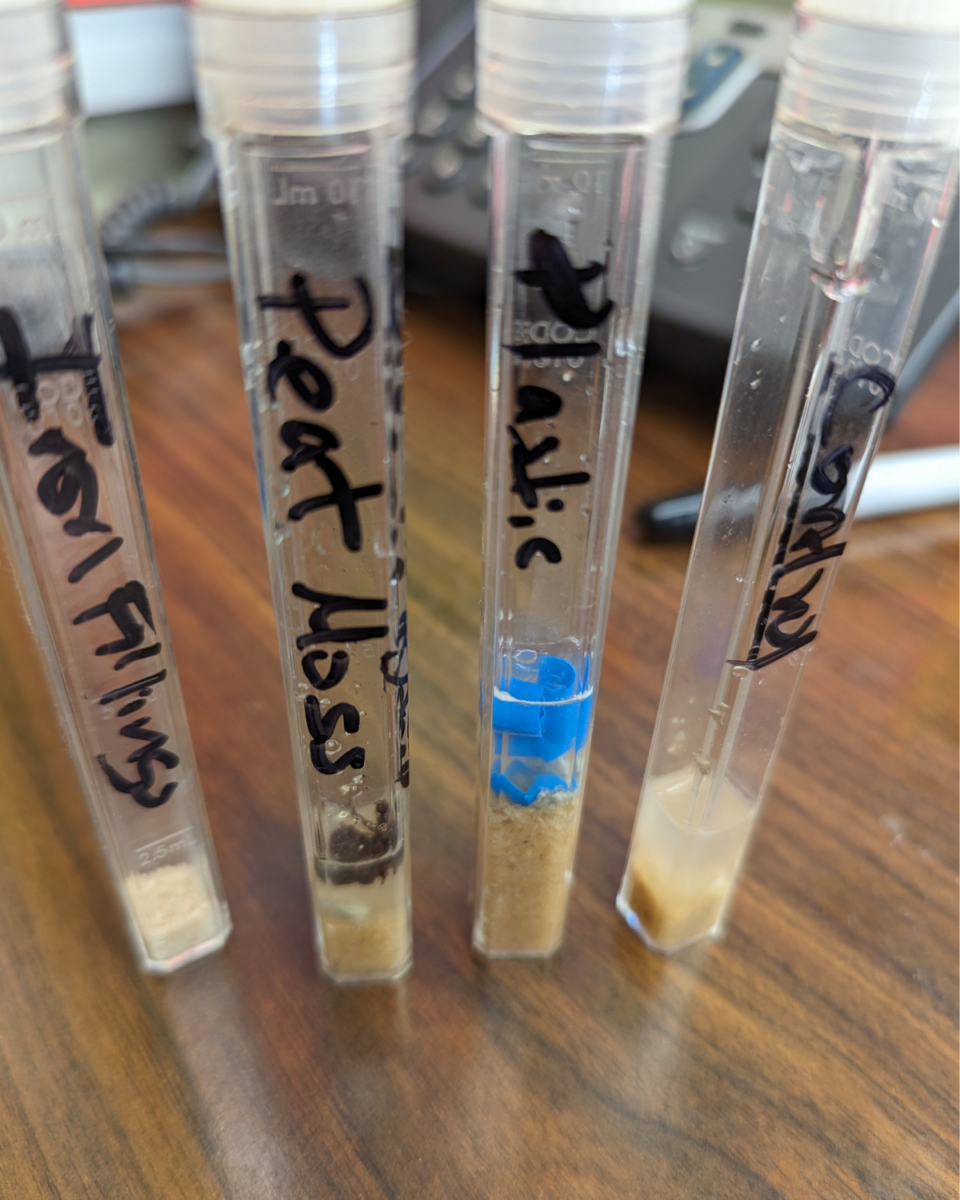
72 students at Wilcox Public Schools conducted scientific testing of beach sand samples to identify effective cleaning strategies for pollution remediation.
Students tackled beach pollution through a hands-on scientific approach. The project focused on testing different cleaning strategies to remediate beach pollution. Students collected sand samples from beaches and conducted laboratory tests using various reagents to determine effective cleaning methods. Working in small teams, students designed experimental protocols, tested different cleaning agents, and documented their results. The project integrated scientific inquiry with environmental problem-solving, as students analyzed test results and proposed solutions based on their findings. Through this process, students learned valuable lessons about teamwork, scientific methodology, and environmental stewardship.
Beach Pollution Testing and Solutions
Monica R, Elementary Teacher - Selma, AL
Support TCI Today
Your belief in our mission empowers youth across the nation
to become climate leaders in their own communities.
Donate
A donation of any size pushes our mission of empowering youth for climate action ahead. Whether it’s a small or large dollar amount, one-time or recurring gift, you know that by joining the TCI movement as a donor you are:
-
- Helping educate high school and college aged students about climate change
- Providing climate action tools to youth
- Empowering climate youth leaders to find more agency in their communities
- Starting intergenerational conversations about climate change
Reach out with any questions about your donation to giving@theclimateinitiative.org.
Planned Giving
Your forward-thinking generosity can biofuel our mission! It’s free and easy to make a bequest through TCI’s FreeWill.com partnership or by designating TCI as a beneficiary of your retirement account or life insurance policy.
Gifts of Stock
Have any appreciated stocks? Donate them, and save on taxes.
Join the Movement
Sign up for emails from TCI to hear from our team on the latest climate action news, policy wins and ways to champion youth climate leaders.
We warmly welcome your contribution via our online payment platform which will automatically provide a tax receipt, or if you prefer to send your check via mail, please mail to:
The Climate Initiative
PO Box 7004
Cape Porpoise, ME 04014
For gifts of stock or securities, please request our DTC number. And if you’d like to discuss other ways to support The Climate Initiative, please reach us by email at giving@theclimateinitiative.org.
If you have a donor advised fund, log into your DAF portal or contact your fund manager to recommend a grant. They will ask you for our EIN number, which is 84-4244790.
Donations submitted are tax-deductible to the extent allowed by law and are processed in U.S. dollars. The Climate Initiative (TCI) is a U.S. nonprofit, tax-exempt charitable organization (tax identification number 84-4244790).
To view The Climate Initiative’s Form 990, click here.