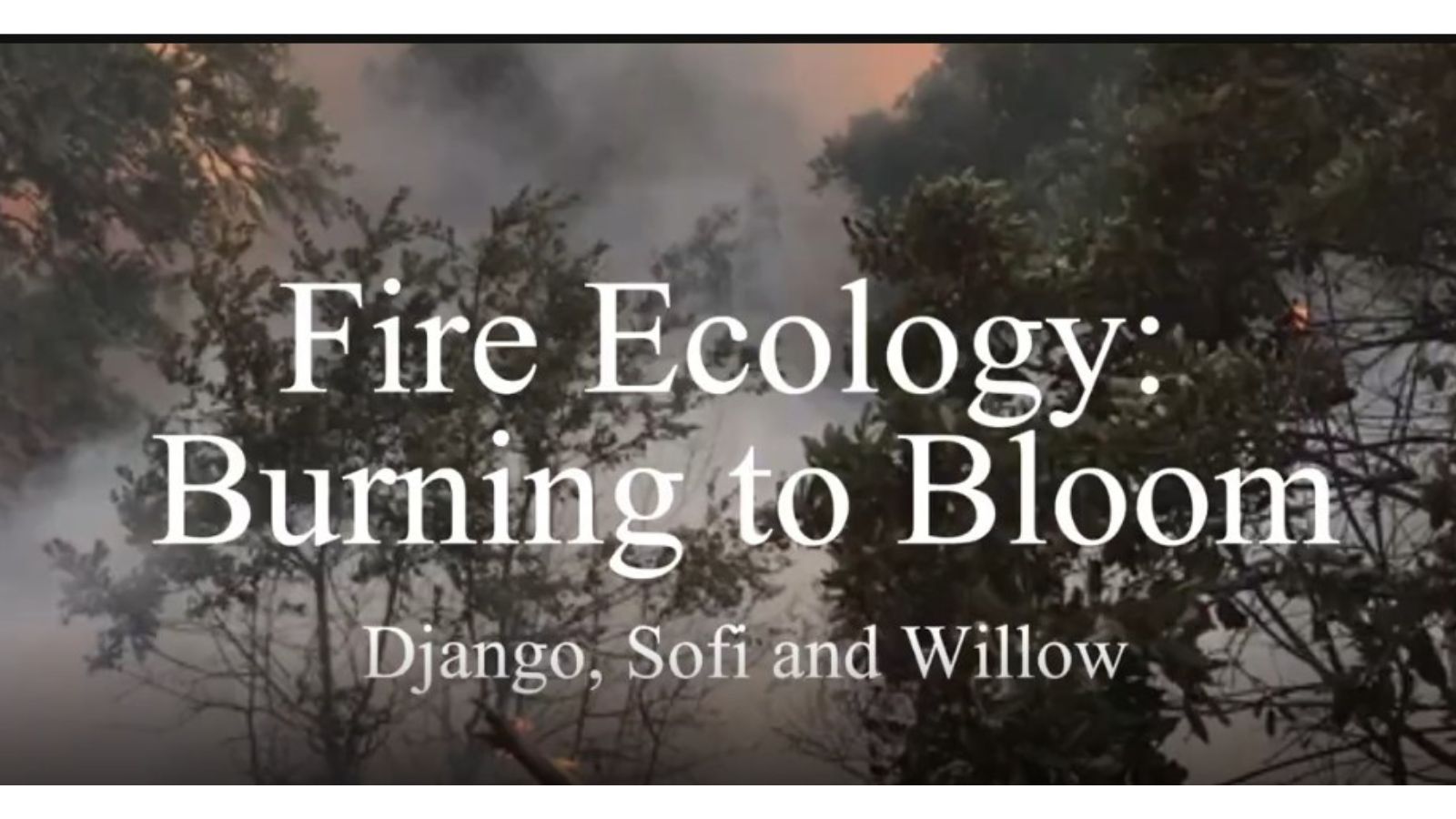
The Science of Resilience: Student Fire Ecologists Take Action in Marin County
Project Summary
Mary’s 90 students at San Domenico in San Anselmo, California spent six weeks becoming fire ecologists, studying chaparral ecosystems, fire history, biodiversity, traditional ecological knowledge, and home retrofitting before designing their own community action projects and presenting the best eight to the public on a school day of service.
Detailed Story
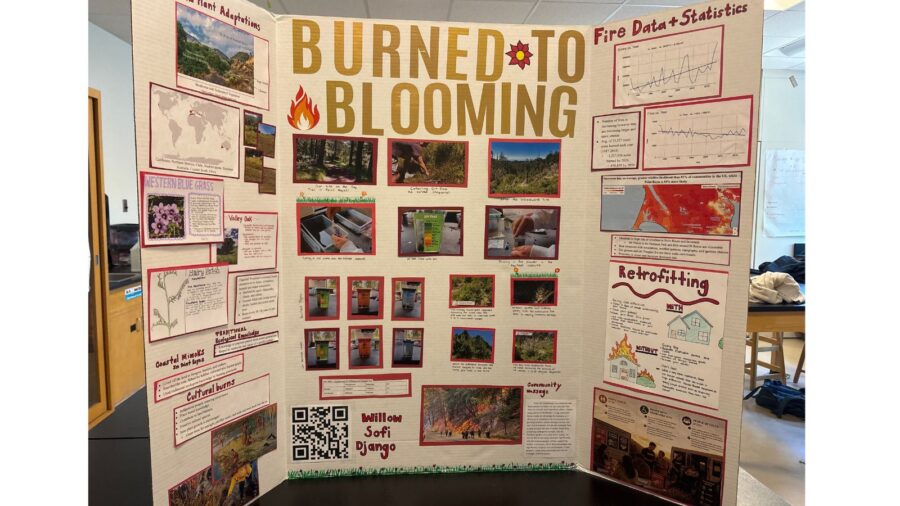
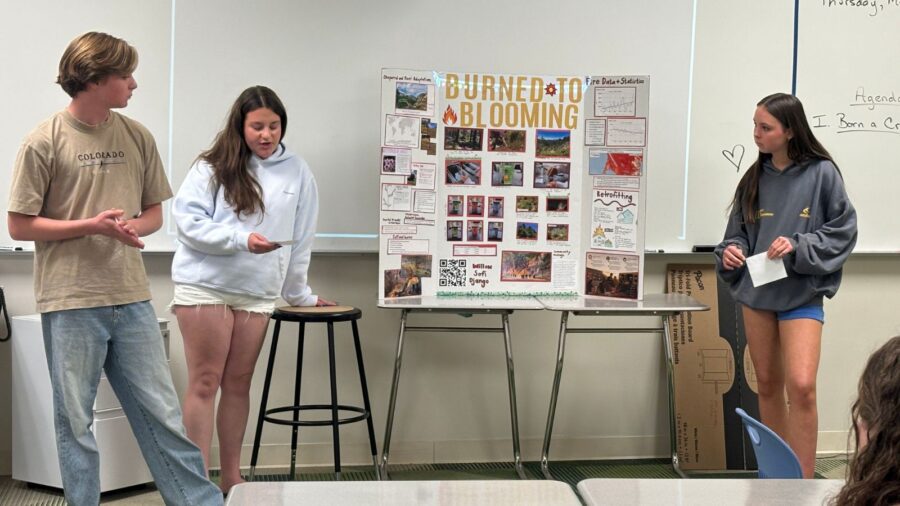
Mary teaches at San Domenico in Marin County, California, one of the most wildfire-vulnerable regions in the state. Her six-week Fire Ecology unit challenged 90 students to understand fire not just as a threat but as a natural and cultural force in the California landscape, and then to do something about it. The unit moved students through chaparral plant adaptations, fire history and succession, biodiversity measurement labs, traditional ecological knowledge and cultural burns practiced by Indigenous communities, nutrient cycles, fire risk data analysis, and home retrofit strategies. Students examined fire data spanning the past 20 years, analyzed acres burned, considered vulnerable populations in their county, and conducted risk assessments both on campus and in the surrounding community. Along the way they studied the role of goats in fire mitigation by measuring residual dry matter on campus grazing plots, and pulled invasive french broom on school grounds. Teams of two to three students then designed original action projects rooted in the unit. Projects ranged from goat grazing biomass studies and goat education videos to fire ecology lesson plans taught to local elementary and middle school students, fire-resistant garden designs, home retrofit flyers, and community wildfire risk assessments. The student posters on display capture the ambition of the work, with titles like “Burned to Blooming,” “Keeping Sleepy Hollow Fire Safe,” “The Science of Resilience,” and “Next Gen. of Fire Ecologists.” The eight strongest projects were shared with the broader school community on a day of service.
Impact Statement
90 students developed deep knowledge of fire ecology, wildfire risk, and community resilience strategies, conducted original research including a goat grazing biomass study and campus invasive species removal, and shared their findings with younger students and the broader community. The project connected science literacy directly to local climate risk and produced tangible community-facing outputs.