
Elementary Students Clean Up Fort Belknap Reservation
Project Summary
Elementary school students at Hays-Lodgepole took action to improve their local environment by conducting a community-wide cleanup along highways and ditches on the Fort Belknap reservation.
Detailed Story
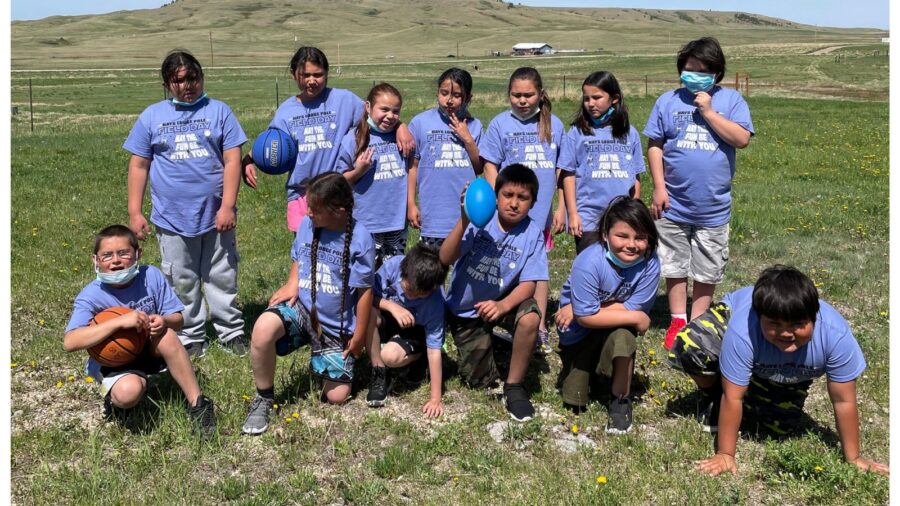
The entire elementary school at Hays-Lodgepole, from kindergarten through sixth grade, dedicated an afternoon to cleaning up their community environment on the Fort Belknap reservation. Students worked together to remove litter and debris from ditches surrounding their school and along the highway, taking ownership of their community spaces and developing a deeper understanding of environmental stewardship. Throughout the activity, students discussed what they found in the ditches and questioned why people would discard items rather than dispose of them properly. The experience prompted meaningful conversations about waste management and community responsibility, with students actively thinking about how to keep their community cleaner in the future. Beyond the immediate environmental impact, the project fostered a sense of pride and accomplishment among the students, helping them see themselves as capable agents of positive change within their community. The cleanup initiative not only beautified the local area but also strengthened students’ connection to their tribal lands while demonstrating the power of collective action in addressing environmental challenges. Students left the experience with increased awareness about proper waste disposal and a stronger commitment to protecting their reservation’s natural environment.
Impact Statement
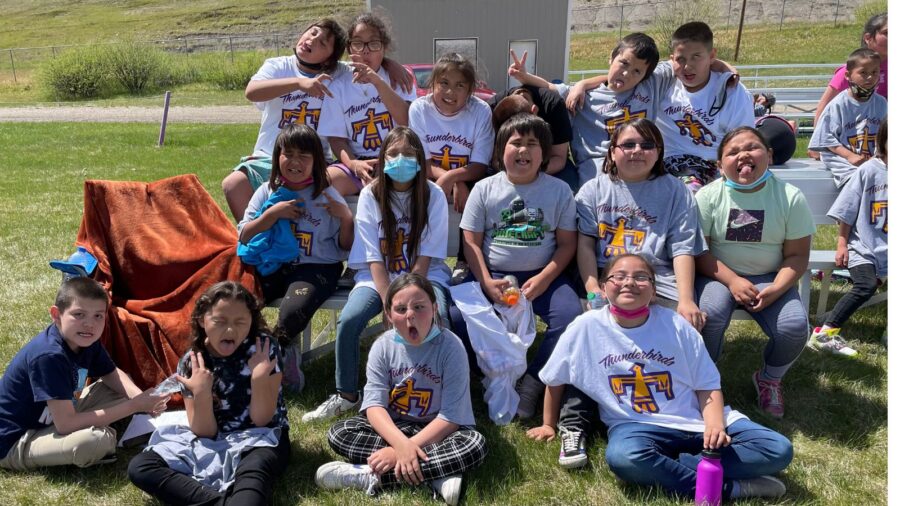
The cleanup effort removed substantial litter and debris from roadside ditches and areas surrounding the school on the Fort Belknap reservation, immediately improving the local environment. Students developed a stronger sense of environmental responsibility and community pride, with many expressing interest in continuing similar projects and maintaining cleaner community spaces. The project promoted reflection and critical thinking among students about waste management practices in their community, encouraging them to consider sustainable solutions for the future. By involving the entire elementary school population of 125 students, the initiative created a shared experience that reinforced environmental values across grade levels and demonstrated the significant impact possible through coordinated community action.