
Earth Day Revolution
Project Summary
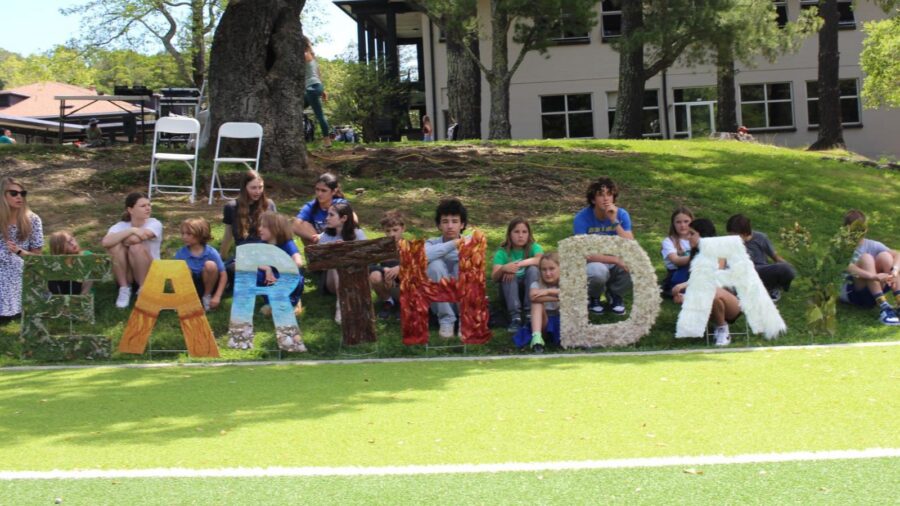
Over 100 high school juniors designed and ran 35 hands-on educational booths for their school’s Earth Day celebration, complete with games, a student-led clothing exchange, and a wave of enthusiastic feedback from faculty and staff across campus.
Detailed Story
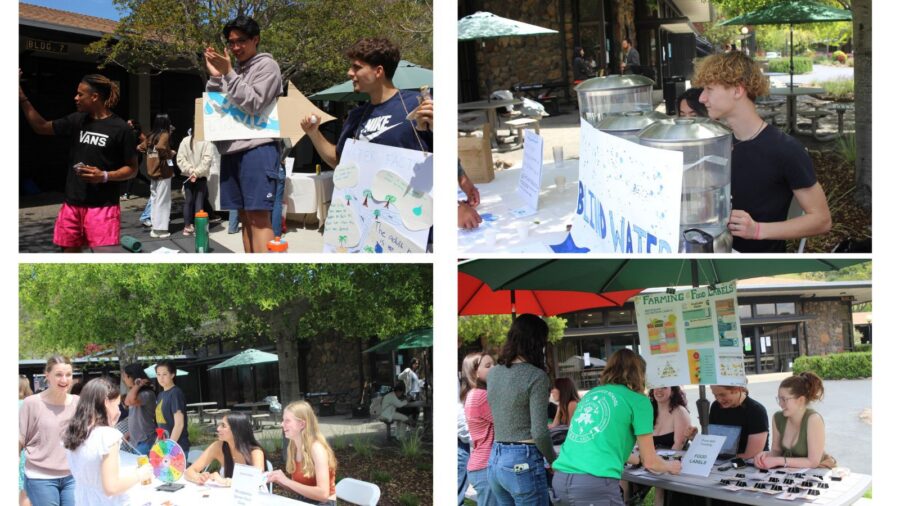
Drawing from TCI’s three-lens approach (social, economic, and environmental), Kathy Hagee’s junior social justice class transformed their school’s Earth Day celebration from the ground up. Working alongside garden teacher Ashley Langford and other faculty, over 100 juniors designed and ran 35 interactive educational booths covering topics ranging from sustainable fashion and fast fashion’s supply chain, to sustainable seafood, egg labeling (pasture-raised vs. free-range vs. caged), water distillation, natural dye-making, worm bins, pollution solutions, and renewable energy.
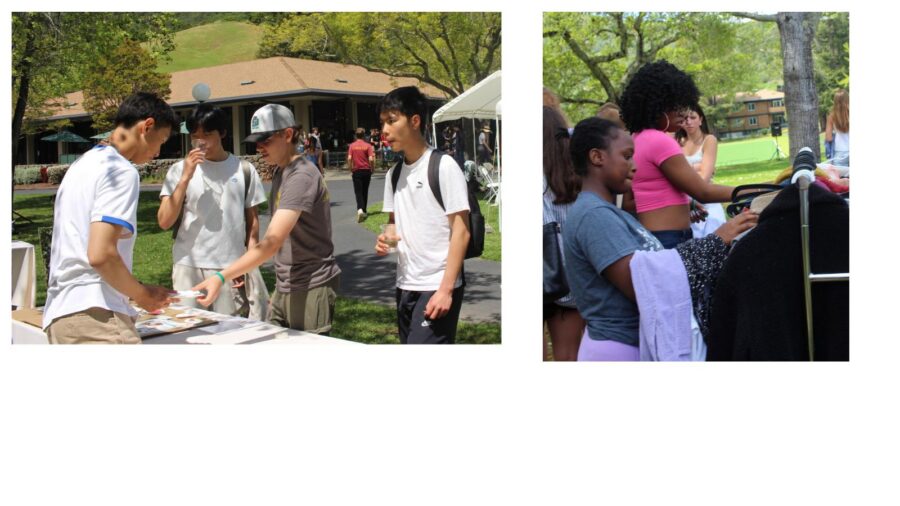
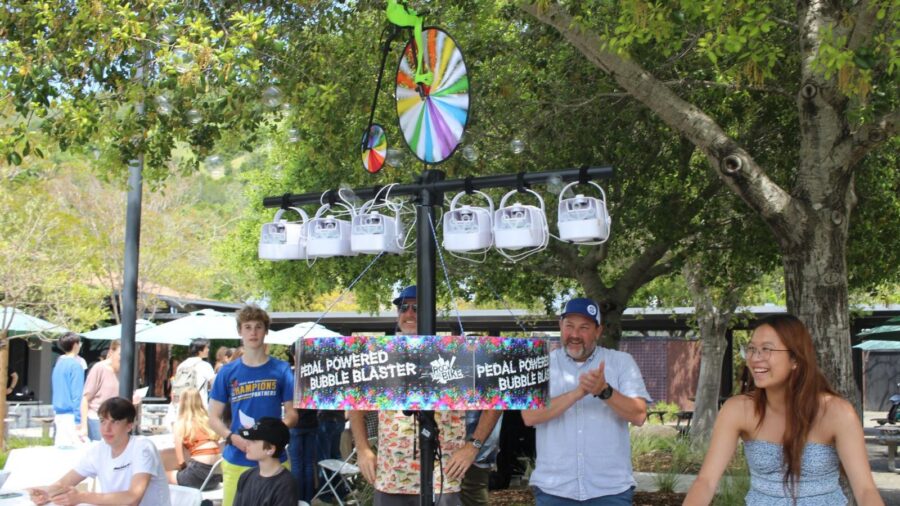
Rather than simply presenting facts, students built games and hands-on activities to make the learning stick — a “water ping pong” game, a spray-bottle consequence game for wrong answers, a native-species identification challenge, and a “bubble bike.” A student-organized clothing exchange and thrift store rounded out the event, tackling fast fashion waste directly. One student even presented her water filtration booth in Spanish for a bilingual visitor.
The impact on the school community was immediate and widely felt. Faculty and staff turned out in force to visit booths, and their feedback (collected afterward) speaks to just how much the event shifted the campus’s relationship to Earth Day. As one staff member put it: “Last year there was a lot of apathy in the upper school about Earth Day and I didn’t know how we could turn that around. But the juniors’ engagement and enthusiasm was contagious.” Younger students were equally captivated — one 5th grader’s favorite booth was the one where visitors got sprayed with water for wrong answers, and staff noted how well the juniors looked after the younger kids, who see high schoolers as “the coolest people on campus.”
For Hagee, the day carried personal weight: “This is really personal for me today because the junior class, the social justice students, are the ones anchoring it. As I see all of their hard work and their stewardship towards our community, towards the earth and environmental issues, I am joyfully grateful to the junior class for trusting me with the process, digging in and just doing it. They embraced the challenge and it is pretty amazing.” (The Panther Press, March 2024)
Impact Statement
100+ students created 35 interactive educational booths, reaching the entire school community — students, faculty, and staff — with hands-on lessons on sustainable fashion, food systems, energy conservation, and waste. Faculty feedback described a marked cultural shift from prior years’ “apathy” to genuine enthusiasm, and the event also included a student-run clothing exchange addressing fast fashion waste.