
From Classroom to Community: A Year of Youth Climate Action in Yobe State
Project Summary
A comprehensive 12-month youth-led climate resilience program implemented across five Local Government Areas in Yobe State, Nigeria, where 250 trained youth volunteers designed and delivered community-based climate adaptation actions that reached 15,799 residents in the drought and conflict-prone North-East region.
Detailed Story
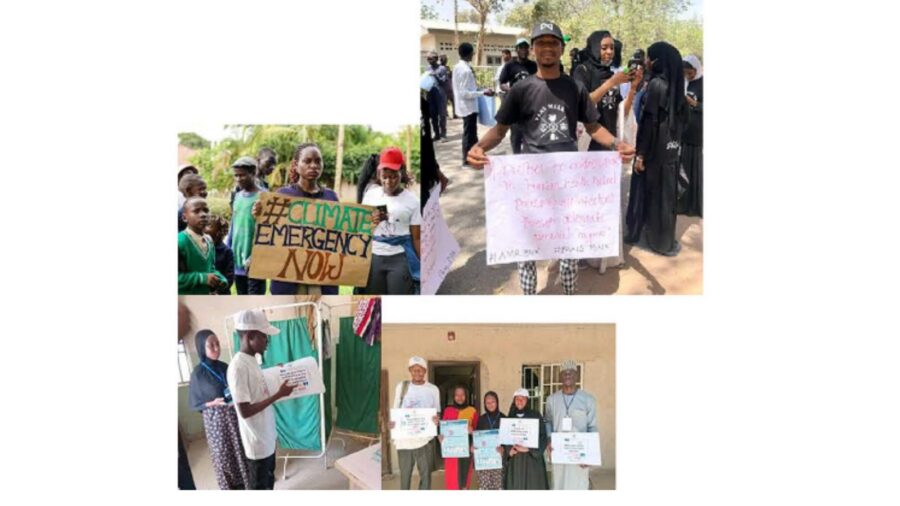
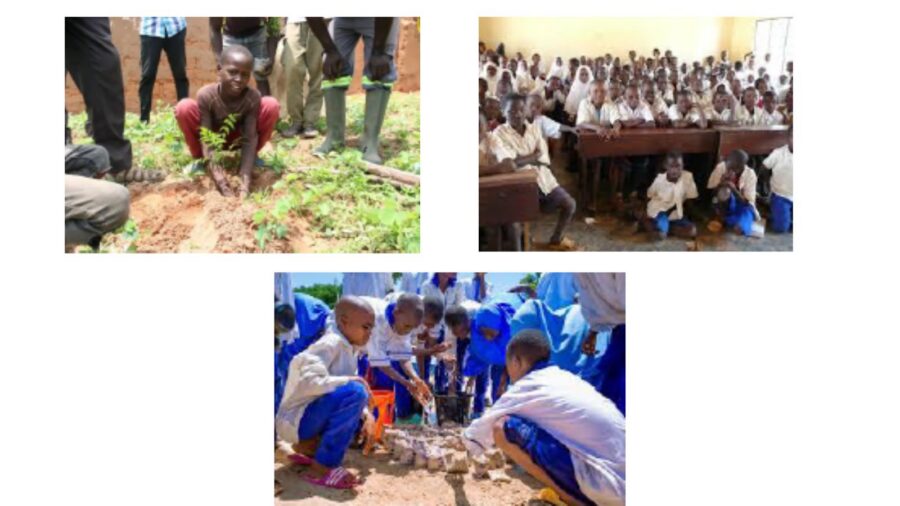
Students at Federal College of Education (Technical) Potiskum began with a structured climate and renewable energy curriculum, moving from foundational climate science through data collection, project design, and leadership training. As the year progressed, the program expanded beyond the classroom: trained youth volunteers took their learning into the surrounding communities of Potiskum, Fune, Fika, Damaturu, and Nangere, running neighborhood recycling drives, composting organic waste for local farmers, piloting passive-cooling mud-brick classrooms, training local masons in low-carbon construction, installing communal rain-harvesting systems, distributing solar-powered study lamps to off-grid students, building micro-solar kiosks, planting drought-tolerant trees along market roads, and hosting clean-cookstove demonstrations. The program aimed to build lasting climate leadership among its youth participants while leaving communities across the drought- and conflict-prone North-East region better equipped to adapt.
(Full project timeline and curriculum available in Adamu’s lesson plan — link to file.)
Impact Statement
250 youth volunteers reached 15,799 residents across five Local Government Areas, achieved 63 percent reduction in open dumping in pilot wards, 37 percent of households adopted water-saving practices within six months, converted 8 tonnes of organic waste into compost for peri-urban farmers, reduced indoor temperatures by 4 degrees Celsius in pilot classrooms through passive-cooling mud bricks, trained 55 local masons on low-carbon construction techniques, installed 12 communal rain-harvesting systems capturing 336,000 litres last season, distributed 500 solar-powered study lamps enabling off-grid students to study two extra hours nightly, built three micro-solar kiosks offsetting 22 kWh per week of fossil-fuel electricity, planted 2,500 drought-tolerant trees reducing PM2.5 concentration by 11 percent, facilitated adoption of improved stoves by 600 households cutting firewood use by 35 percent, generated 471,000 Naira through Trash-for-Cash drives, increased youth confidence and civic engagement scores from 2.8 to 4.3 out of 5, secured 12 million Naira from local councils for program expansion, inspired replication requests from two neighbouring LGAs, established regional Green Network for mentoring future cohorts