Student-Led Solar Revolution
Project Summary
🥈 2025 Changemaker Award — 2nd Place ⭐⭐
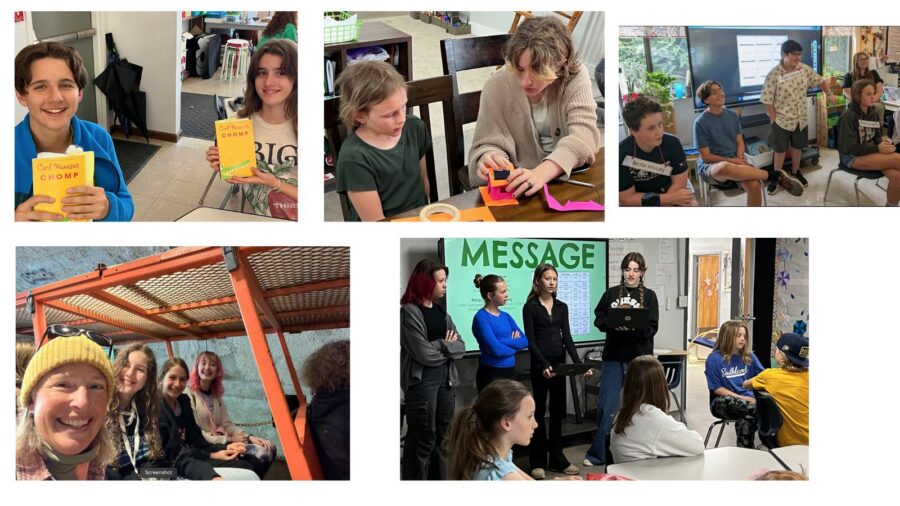
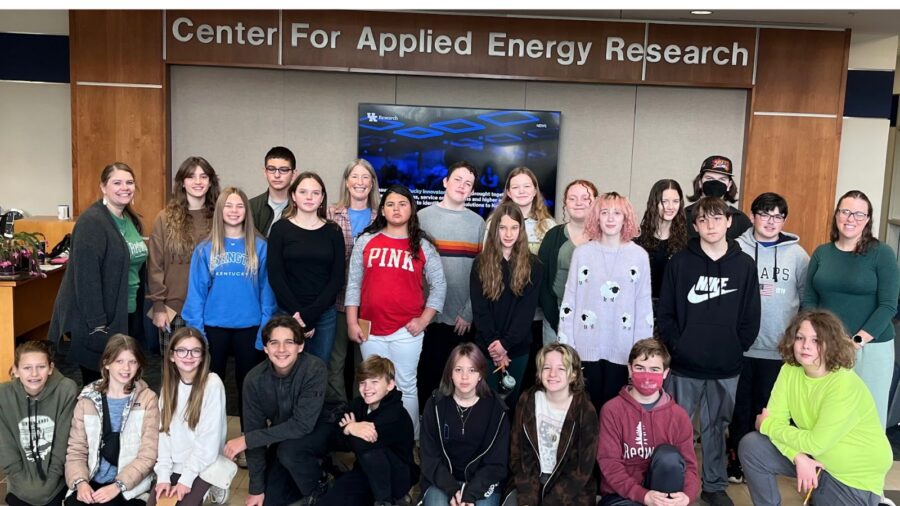
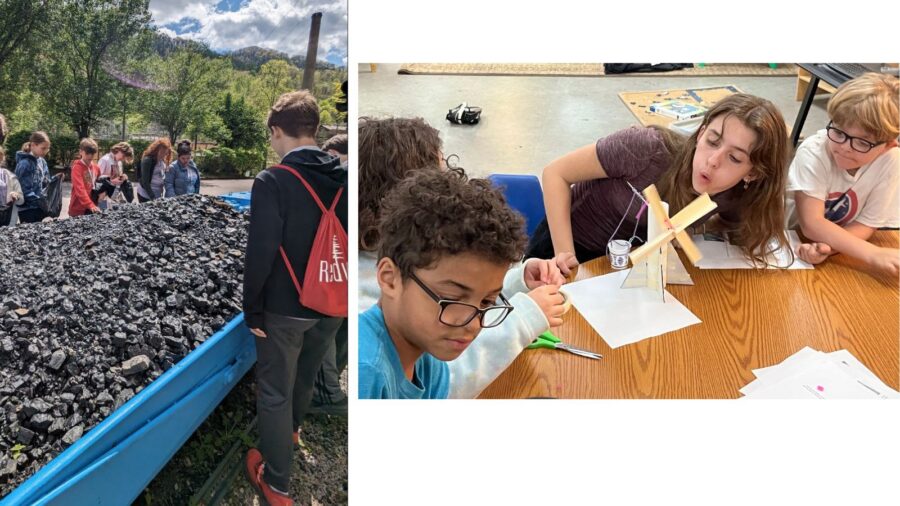
Redwood Cooperative School’s middle school in Lexington, Kentucky spent the 2023-2024 school year on a year-long renewable energy study built from TCI’s Renewable Energy Learning Lab, examining energy through environmental, economic, and cultural lenses via novels, field trips (including UK’s Center for Applied Energy Research and Portal 31 coal mine), and cross-curricular projects. They even secured $1,500 to install solar panels for charging their Chromebooks and launched a sustainable fashion initiative.
Detailed Story
After a semester-long study of TCI’s Renewable Energy Learning Lab, students chose and ran four community action projects: installing solar panels to power their Chromebook cart, launching a “S.E.E.D.” local food initiative, hosting a used-clothing drive to address fast fashion’s carbon footprint, and producing educational videos on energy use. The project also included a collaboration with a Ghanaian high school comparing local energy resources (coal vs. charcoal) and their community impacts. , Lexington middle schoolers took charge of their school’s energy future.
100% of students reported that they were more knowledgeable about energy at the end of the year than at the beginning.
When asked if they felt they could make an impact on their community regarding energy consumption, policy, or conservation:
- 73% responded “Yes”
- 27% responded “No”
This represents a strong sense of personal agency among the majority of students, with comments like:
“That we need to do something about it. LIKE SOON.”
Impact Statement
Students secured $1,500 in funding for solar panel installation, reducing the school’s carbon footprint while establishing a clothing drive and thrift shop to combat fast fashion waste.