
Macon Middle School Day of Service: Climate Action Through Community Engagement
Project Summary
Macon Middle School students participated in a comprehensive Day of Service that included climate-focused projects such as invasive species removal at Tessentee Bottoms and pollinator garden restoration at the Greenway Butterfly Garden, alongside broader community service activities supporting seniors, foster families, and elementary students.
Detailed Story
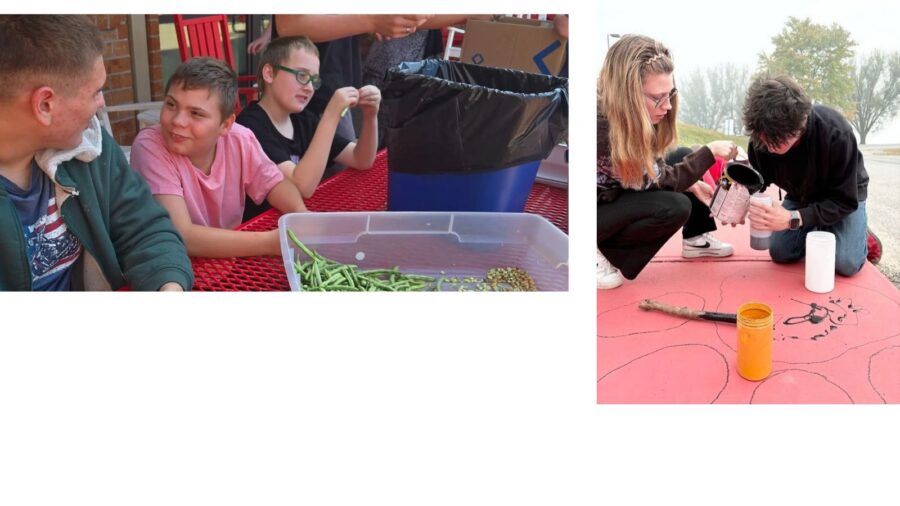
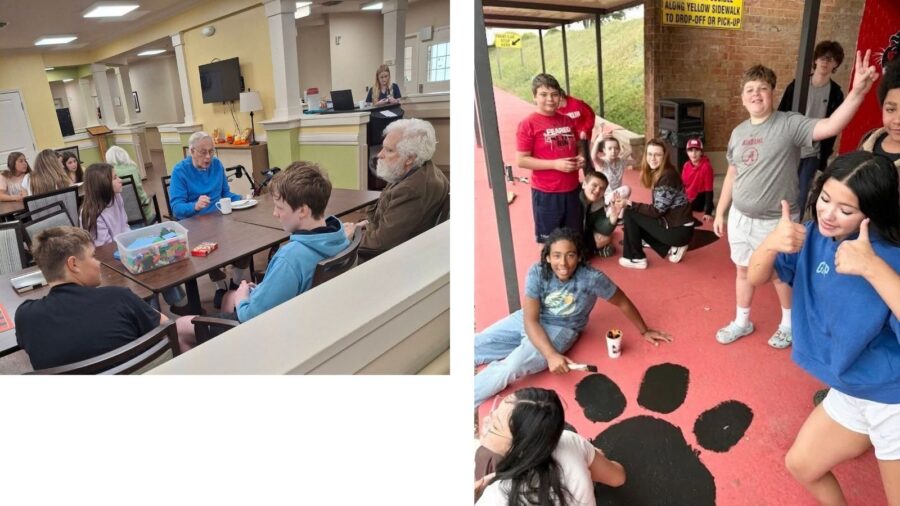
Organized by MMS science teacher and TCI Educator Fellow Annie Hornsby, the MMS Day of Service engaged middle school students in meaningful community action the day after end-of-year exams. Building on 8th grade curriculum covering invasive species and pollinator decline, Annie incorporated climate-focused service projects alongside traditional community service. One group of students worked with a biologist to remove invasive species in a protected area at Tessentee Bottoms, directly applying their classroom learning about ecosystem health. Another group focused on weeding and planting at the Greenway Butterfly Garden, where the garden club sponsor provided students with milkweed plants to take home and plant, extending the pollinator conservation efforts into their own communities. Additional service groups visited Franklin House senior center to spend time with over twenty residents, volunteered at Magnolia Mission sorting donated clothing for foster families, and connected with kindergarten and first grade students at Cartoogechay Elementary School through reading and mentorship activities. Meanwhile, 7th grade classes took on campus improvement projects including clearing brush, picking up trash, planting azaleas, organizing the library, and working on projects for local veterans. The positive response from all participants has established this as an annual event, creating a movement that inspires students to look beyond themselves and take action in their community.
Impact Statement
Students applied classroom learning about invasive species and pollinator decline to real-world conservation work while building community connections across generations. The pollinator garden restoration and invasive species removal directly contributed to ecosystem health, while students received milkweed plants to continue conservation efforts at home. The success of the initiative has established it as an annual event, creating ongoing opportunities for climate action and community service.