Key Largo School Nature Trail Investigation: Identifying Invasive Species Through Geographic Fieldwork
Project Summary
🥇 2026 Changemaker Award — 1st Place ⭐⭐⭐
Students at Key Largo School conducted hands-on geographic fieldwork on their school’s nature trail, using iNaturalist and the Seek app to identify native, introduced, and invasive species while exploring Human-Environment Interaction through the lens of the Five Themes of Geography.
Detailed Story
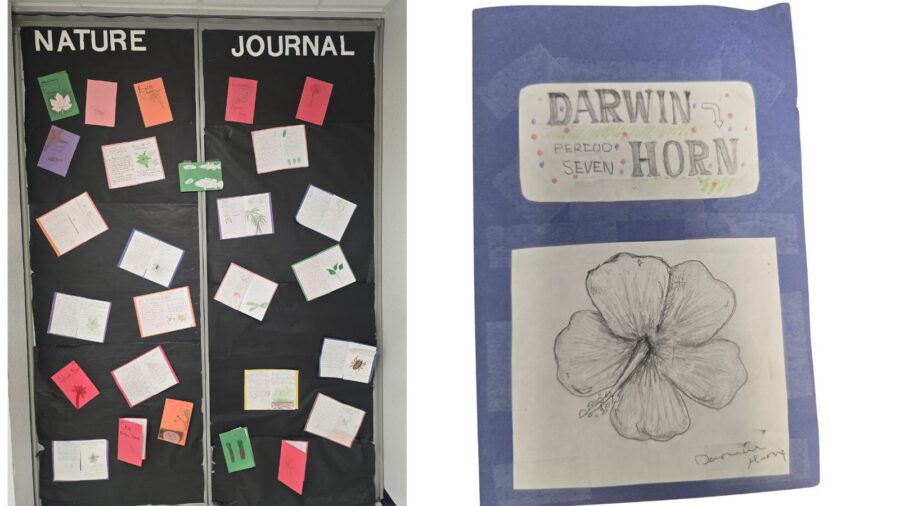
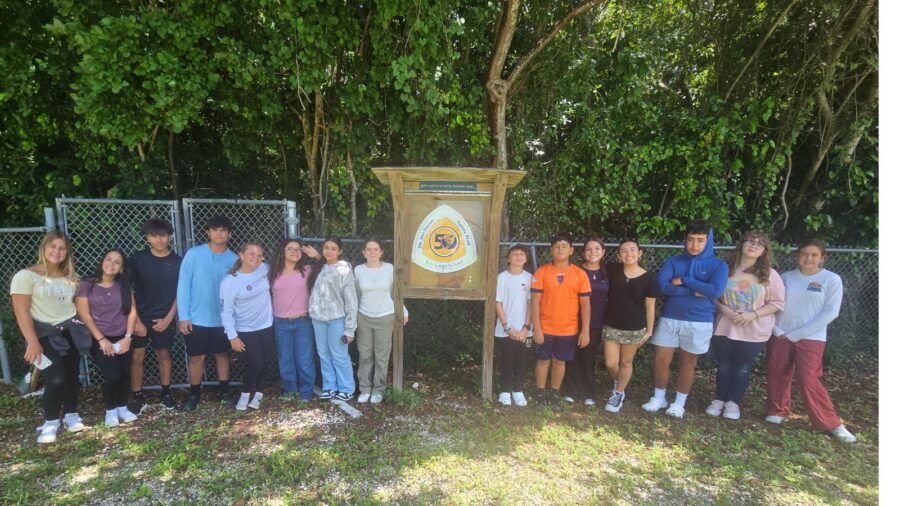
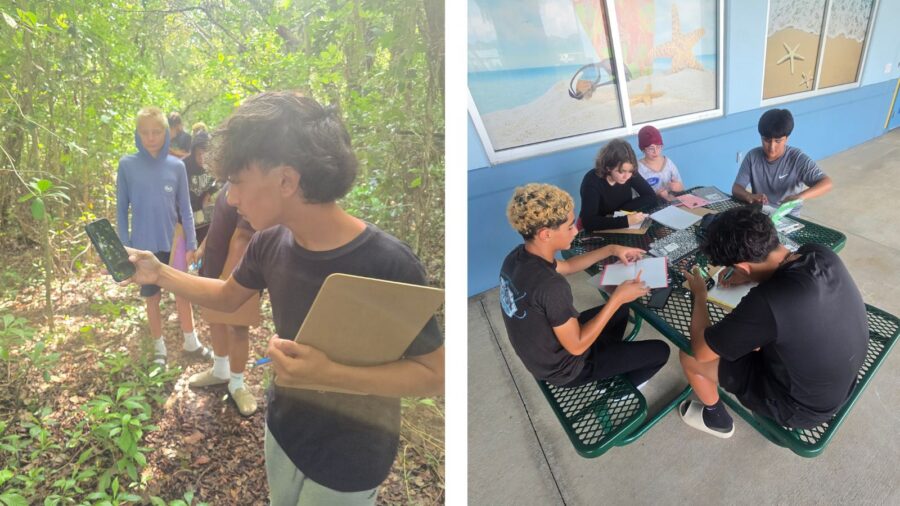
Seventy-five students at Key Largo School applied their understanding of the Five Themes of Geography and the Six Essential Elements of Geography through immersive fieldwork on their school’s nature trail and sanctuary. After reviewing all geographic themes in class, students focused specifically on Human-Environment Interaction, examining the reciprocal relationship between people and their environment. During their exploration of the nature trail behind the school, students used the iNaturalist and Seek mobile apps to identify and document native, introduced, and invasive species found along the trail. These digital tools enabled students to collect real-time data, analyze species presence, and understand how different organisms contribute to or disrupt the local Florida Keys ecosystem. Following their field observations, students compiled their findings into comprehensive Nature Journals that included species identifications, sketches and photos, habitat notes, and reflections connecting their discoveries to geographic concepts learned in class. The journals featured beautifully detailed student drawings of species including the Julia Heliconian butterfly (a native insect), Jamaican Dogwood, White Indigo Berry, Pigeon Plum, and various other flora and fauna. Students also documented invasive species like Muscadine vines and analyzed their impacts on the native ecosystem. The final Nature Journal products demonstrated students’ ability to connect classroom learning with authentic environmental experiences while building critical skills in observation, inquiry, and environmental stewardship. One student reflected in their journal about the importance of protecting native species and understanding the relationship between human activity and the environment.

Impact Statement
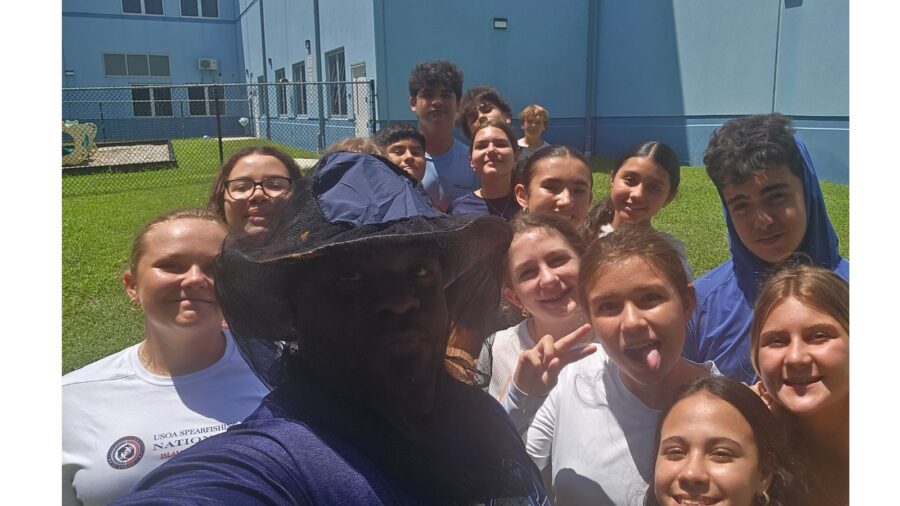
75 students successfully completed hands-on geographic fieldwork that bridged classroom theory with real-world environmental observation. Students developed practical skills using digital identification tools (iNaturalist and Seek apps) while deepening their understanding of how invasive species affect local ecosystems in the Florida Keys. The Nature Journal final products showcase students’ scientific observation, artistic documentation, and critical thinking about human impacts on their immediate environment. Students gained valuable experience in environmental stewardship and developed a deeper connection to the natural sanctuary in their own schoolyard.