
Invasive Species Field Guide: Identifying and Managing Local Invasive Plants in Central Kentucky
Project Summary
Eight students at Redwood Cooperative School researched invasive plant species in central Kentucky, created a comprehensive field guide for identification, conducted campus surveys to locate invasive species, and developed removal proposals while creating educational materials to promote native plant alternatives.
Detailed Story
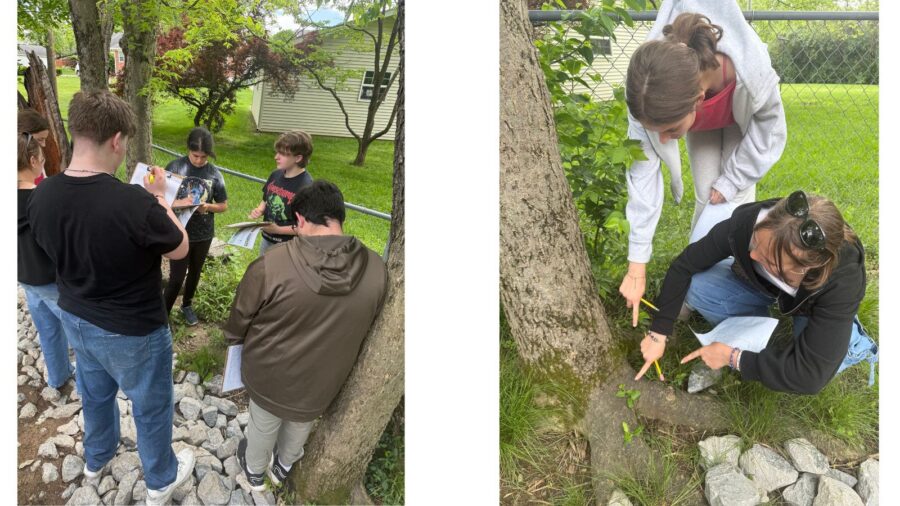
Students embarked on a comprehensive invasive species management project that combined research, field work, and community education. They began by researching invasive plant species common to central Kentucky, learning to identify key characteristics of species including Bush Honeysuckle, Chinese Privet, Cogongrass, Garlic Mustard, Japanese Honeysuckle, Japanese Stilt Grass, and Wintercreeper. Using their research, students created a detailed field guide featuring photographs, identification keys, and detailed descriptions of each species’ characteristics, growth patterns, and ecological impacts. Students then conducted thorough surveys of their school campus, using their newly developed identification skills to locate and document invasive species populations. For each species found, they researched and developed specific removal proposals based on best management practices tailored to each plant’s biology and growth characteristics. Beyond removal strategies, students created educational signage for campus and developed literature for families that emphasized the importance of planting native plants as alternatives to invasive species. The project successfully combined hands-on field science with practical conservation action and community outreach.
Impact Statement
Students gained practical field biology skills while creating valuable educational resources for their school community. The field guide serves as an ongoing reference tool, and removal proposals provide actionable steps for campus ecosystem management. Educational materials for families extend the project’s impact beyond the school, promoting native plant gardening in the broader community. The project raised student awareness about invasive species threats and prevention strategies.