
Gulf of Maine Coastal Ecosystem Conservation
Project Summary
🌿 2026 Changemaker Award — Honorable Mention, High School
High school students are conducting multi-faceted marine ecosystem projects, including teaching about invasive green crabs, interviewing local fishermen and aquaculture professionals, and implementing conservation initiatives.
Detailed Story
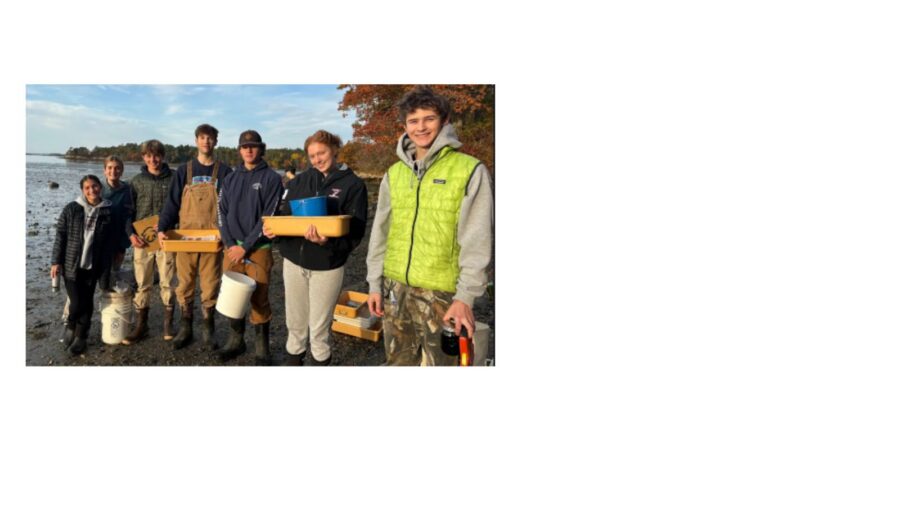
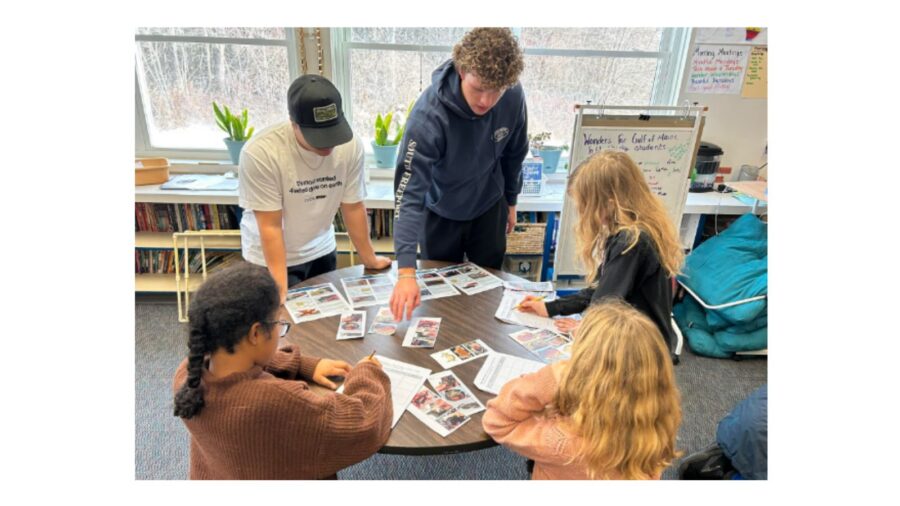
The Gulf of Maine Field Studies class at Freeport High School has undertaken several interconnected marine conservation projects. Students designed and delivered educational programs for 5th graders at Mast Landing School about invasive European green crabs and their impact on coastal ecosystems. The class organized field research including an invasive green crab derby at Wolfe’s Neck, where they collected data while removing these harmful species (repurposing the crabs as chicken feed). Another component involves students conducting interviews with local marine industry stakeholders – clammers, lobstermen, oyster farmers, kelp farmers, and marine scientists – to document climate change impacts on Gulf of Maine fisheries and create an audio/video montage of their experiences for TCI’s Stories of Change. The class is also preparing to establish an educational oyster farming operation in Maquoit Bay with the help of a Freeport High graduate who developed sustainable aquaculture equipment. Additionally, they’ve secured a $3,000 grant to purchase predatory beetles as biological control agents to combat invasive hemlock woolly adelgid on Freeport Conservation Trust property. Students are also working with TCI and the Governor’s Office for Policy and Innovation for the Future to develop a climate action plan for their high school.
Impact Statement
Students are documenting climate change impacts on local marine industries, removing invasive species, preparing educational materials about marine conservation, establishing an educational oyster farm, implementing biological controls for invasive forest pests, and developing a school climate action plan.