Classroom Climate Change Champions
Project Summary
8th grade students in a special education classroom implemented vermiculture composting and regenerative farming projects that transformed student engagement and environmental awareness.
Detailed Story
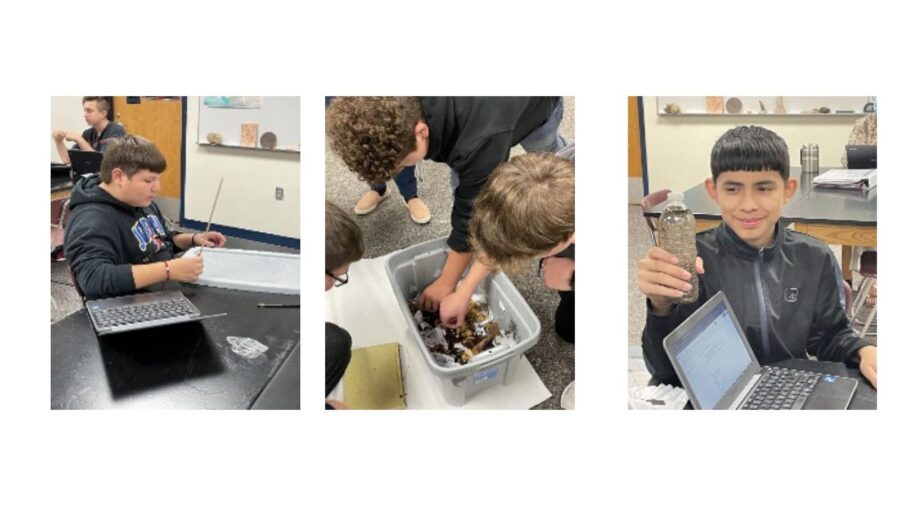
Julie Ackerman’s 8th grade students, who were initially struggling in regular classrooms, developed and implemented two major environmental projects. The first was a vermiculture (worm composting) initiative where students researched worm types, bin designs, and implementation strategies before presenting their proposal to school administrators, the school board, and superintendent to gain approval. The second project focused on regenerative farming, with students creating educational materials and presentations for their community at the Blue Earth Giant Welcome Center. The projects were integrated across multiple subject areas and gave students agency to address real environmental challenges.

Impact Statement
The projects dramatically shifted student attitudes, with pre/post surveys showing: 91% to 6% decrease in students believing climate change doesn’t affect Minnesota; 12% to 87% increase in students believing they can personally impact climate change; and 9% to 87% increase in understanding climate justice issues. One student stated, “This class is the only reason I come to school.”