
Exploring Prosthetics, Engineering Design Process and AI Inspired by “The Wild Robot”
Project Summary
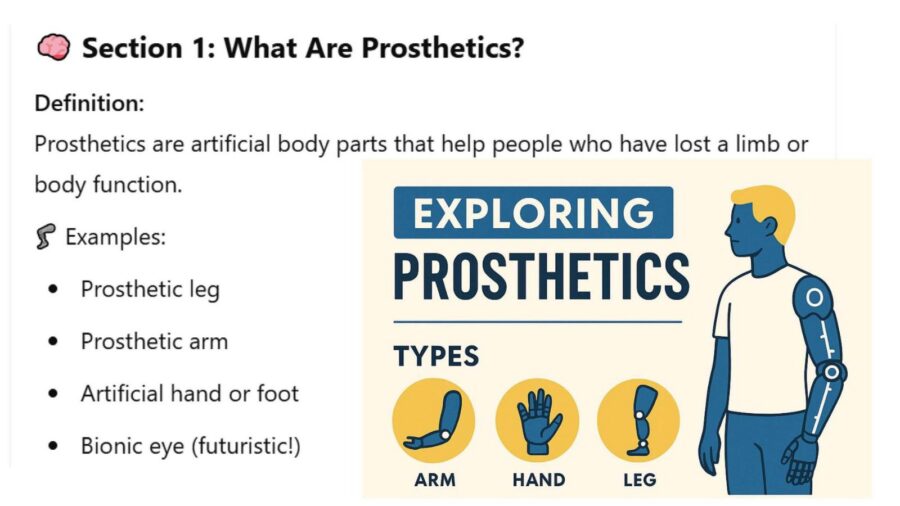
Fifth-grade students engaged in an interdisciplinary project combining literature, STEM, and social-emotional learning inspired by Peter Brown’s novel “The Wild Robot,” designing prosthetics for animals using recycled materials and exploring AI concepts while connecting storytelling with real-world environmental problem-solving.
Detailed Story
The Wild Robot Project is an interdisciplinary classroom initiative that blends literature, STEM, and social-emotional learning, inspired by Peter Brown’s novel The Wild Robot. Designed for upper elementary students, especially in inclusive and Title I classrooms, the project encourages students to explore empathy, sustainability, and innovation through the story of Roz, a robot who learns to survive and care for others in the wild. Through hands-on activities such as designing prosthetics for animals, engaging with the engineering design process, and exploring basic AI concepts, students connect storytelling with real-world problem-solving. The project fosters creativity, environmental awareness, and a deeper understanding of how technology and nature can coexist harmoniously. One of the most powerful highlights was how deeply students connected Roz’s story to real-world environmental challenges. After reading about Roz adapting to her forest surroundings and caring for injured animals, students began asking questions like, “How can we help animals in our community like Roz did?” This led to a class project where they designed eco-friendly prosthetics using recycled materials and discussed how pollution and habitat destruction affect wildlife. A 5th-grade student shared, “Roz didn’t give up on the animals, so I won’t give up on helping nature.” Another said, “I didn’t know robots could be kind to animals—it made me think humans should try harder too.” While some students found it challenging to understand how AI fits into nature, this opened opportunities to explore sustainable technologies. Overall, the project fostered environmental empathy and inspired students to see themselves as young eco-inventors and protectors of the planet.
Impact Statement
15 students developed environmental empathy through literature connection, designed eco-friendly prosthetics using recycled materials, explored sustainable technologies and AI concepts, gained hands-on experience with engineering design process, connected storytelling with real-world problem-solving, fostered creativity and environmental awareness, inspired students to see themselves as young eco-inventors and protectors of the planet